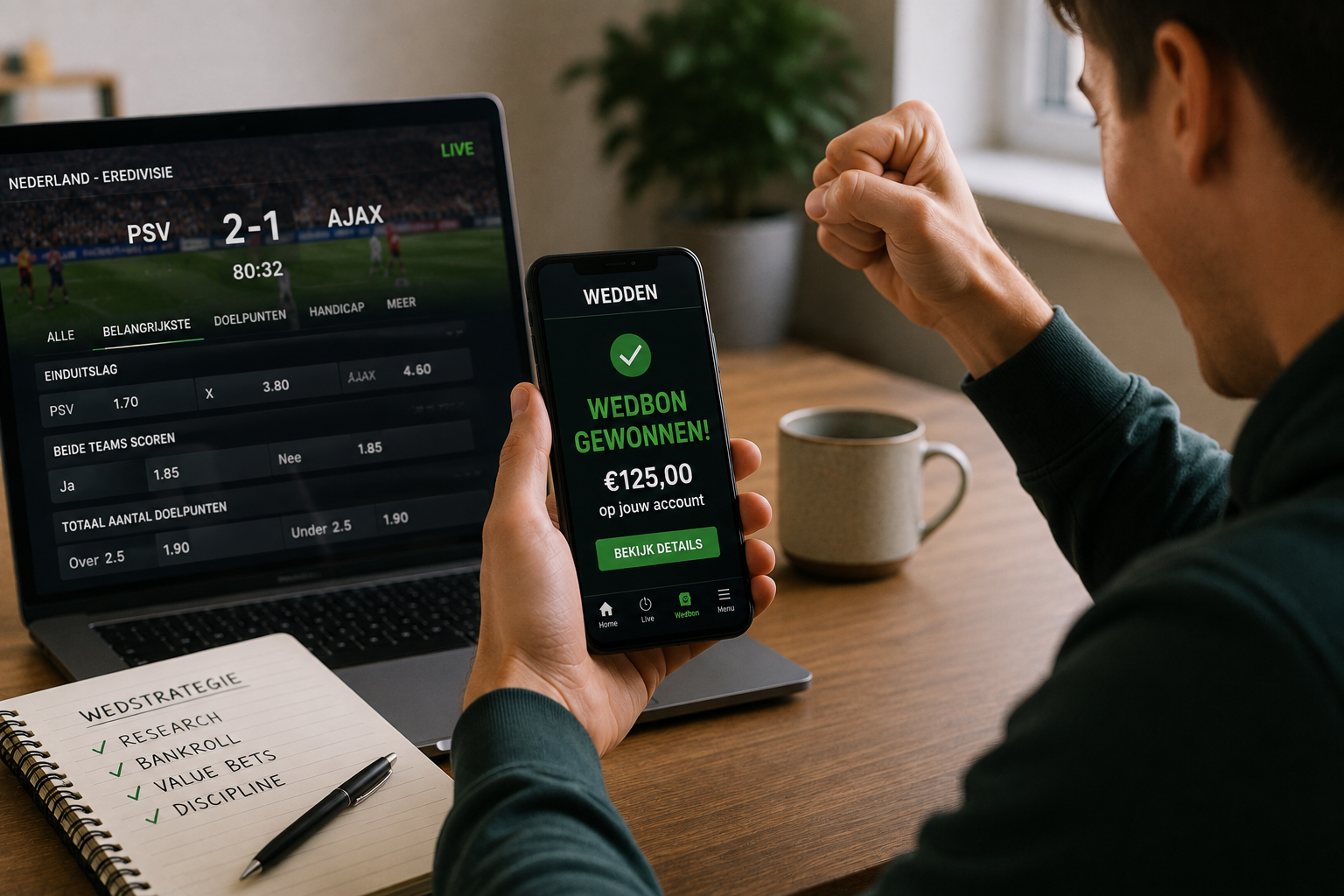
Sports betting content in the Dutch market has a specific responsibility. It needs to explain how betting works, not just present outcomes or promote selections. That means translating odds into meaning, clarifying market options, and giving readers enough context to make informed decisions.
Maurice Kruytzer works at that intersection. As a Dutch iGaming content writer and AI-assisted editor, he produces sportsbook content that combines match analysis, betting logic, and native Dutch localisation. The focus is always on clarity, accuracy, and publication-ready quality.
This approach is designed for operators, affiliates, and editorial teams that need consistent Dutch sportsbook content, not generic translations.

What Defines High-Quality Dutch Sportsbook Content
A strong betting article does more than list odds. It connects several layers of information into one clear structure.
First, the sports analysis needs to be correct. Team form, player availability, and tactical context all influence how a match is expected to unfold. Without that foundation, odds have no meaning.
Second, betting markets must be explained properly. Readers should understand the difference between standard match odds and alternatives such as handicaps, totals, or player bets. This is especially important in regulated markets like the Netherlands, where clarity and transparency are essential.
Third, the structure of the article should reflect real user questions. A reader searching for odds is not always looking for the same information as someone exploring betting markets or match predictions. A well-structured article addresses these related needs in one place without forcing them together.
This combination is what separates sportsbook content from general sports writing.
Core Content Types in Dutch Sportsbook Publishing
Sportsbook content is not one format. It is a mix of article types that each serve a different purpose within a broader publishing strategy.
Match previews focus on upcoming fixtures and combine analysis with relevant betting markets. Odds analysis articles explain pricing differences between teams and what those numbers suggest about expectations.
Betting guides take a step back and explain how specific markets work, including their limitations. These guides remain useful beyond a single match and help build long-term content value.
Market explainers go deeper into specific bet types such as handicaps or bet builders. They help readers understand risk, variability, and how different selections interact.
All of these formats benefit from native Dutch localisation. Terminology, phrasing, and examples need to reflect how Dutch users actually read and search for betting content.
Example: From Basic Odds to Full Market Coverage
A common mistake in sportsbook content is stopping at match winner odds. For example, in a one-sided international fixture, simply stating that one team is the favourite adds little value.
A stronger article expands beyond that starting point.
In a Germany versus Curaçao match preview, the content can begin with match odds but should quickly move into alternative markets. These may include handicap lines, win-to-nil options, or both teams to score. Each market connects back to the relative strength of the teams and recent performances.
This creates a more complete article. It answers multiple related questions instead of focusing on a single angle.
It also reflects how readers actually approach betting decisions. They compare options rather than relying on one market.
Example: Tournament Matches and Bet Builder Logic
International tournaments introduce a different type of search behaviour. Readers are often looking for a combination of match insight and specific betting options.
A Netherlands versus Turkey tournament article can start with 1X2 odds but should not end there. Expanding into goalscorer bets, half-time results, exact scores, and bet builder combinations provides a more complete picture.
This type of structure shows practical understanding of sportsbook environments. It demonstrates how different markets relate to each other within one match.
It also supports editorial credibility. Instead of repeating general statements, the article shows applied knowledge of betting terminology and market behaviour.
Example: Sportsbook Content Beyond Football
Football dominates sportsbook coverage, but a complete content strategy should not depend on a single sport.
Combat sports events such as GLORY kickboxing require a different approach. Instead of team form, the analysis focuses on fighter records, knockout ratios, striking accuracy, and style matchups.
Betting markets also differ. Fight outcome, method of victory, and round betting become more relevant than goal-based markets.
Covering these events correctly shows that sportsbook expertise is transferable. The structure remains consistent, but the data and context must match the sport.
Why Odds Need Context to Be Useful
Odds without explanation are incomplete.
If a team is priced as a clear favourite, the key question is why. Recent results, squad quality, injuries, and competition level all influence pricing. Explaining these factors helps readers understand how bookmakers arrive at their numbers.
This does not mean predicting outcomes with certainty. No betting market guarantees a result. The goal is to provide context that supports informed interpretation.
Alternative markets play an important role here. When standard match odds offer limited value, other options such as handicaps or totals may become more relevant. Explaining these alternatives gives readers a broader view of the market.
This balance between explanation and realism is essential in regulated environments.
Content Structure Built Around Real User Intent
Sportsbook content behaves differently from static content categories. Some pages, such as match previews, have a short relevance window. Others, like betting guides, remain useful over time.
This requires a structured content approach.
A major competition can support multiple connected articles. These include tournament overviews, individual match previews, odds pages, and market explainers. Each piece serves a specific purpose but contributes to a wider editorial framework.
You can see how this works in practice on the Dutch sportsbook content strategy page, where content is organised around clear topics rather than isolated articles.
This type of structure improves consistency and makes it easier for editorial teams to scale production without losing quality.
Native Dutch Localisation Is Not Translation
Localisation is often underestimated in sportsbook content.
A direct translation from English rarely works for Dutch audiences. Terminology, tone, and even market explanations can feel unnatural if they are not adapted properly.
Dutch users expect clear language and relevant examples. They also operate within a regulated environment shaped by the Kansspelautoriteit (KSA), which affects how content should be written and presented.
This means localisation involves rewriting, not just translating. It includes adjusting phrasing, verifying betting logic, and aligning content with local expectations.
AI can support research and drafting, but final editorial decisions require human review. That combination improves efficiency while maintaining accuracy and trust.
From Single Articles to Ongoing Content Production
Most operators and affiliates do not need one isolated article. They need a consistent flow of content that follows the same editorial standards.
This includes consistent terminology across pages, accurate odds updates close to publication, and clear internal connections between related topics.
It also includes compliance awareness. Responsible gambling messaging and regulatory alignment should be consistent across all content, not added as an afterthought.
An ongoing editorial approach supports this consistency. It allows content teams to plan around competitions, maintain quality control, and build a structured content library over time.
Additional insights and examples can be found in the blog section, where different aspects of Dutch iGaming content and publishing are explored.
AI-Assisted Workflows With Human Editorial Control
AI plays a role in modern content production, but it should not replace editorial judgement.
In sportsbook content, accuracy is critical. Odds, statistics, and market descriptions need to be checked carefully. AI can assist with research and initial structuring, but final responsibility remains with the editor.
This workflow improves efficiency while maintaining publication standards. It also ensures that content remains reliable, especially in regulated markets where incorrect information can have consequences.
The goal is not to produce more content at any cost, but to produce better content consistently.
Work With a Dutch iGaming Content Specialist
Effective sportsbook content explains the market before asking for action. It gives readers clarity on odds, betting options, and match context without making unrealistic claims.
Maurice Kruytzer provides Dutch sportsbook content for operators, affiliates, and editorial teams that need reliable, well-structured publishing support. This includes match previews, betting guides, market explainers, and long-form content adapted to the Dutch market.
If you are building or improving a Dutch sportsbook content operation, you can explore the available services or get in touch via mauricekruytzer.com. The focus is always the same: clear information, strong editorial standards, and content that is ready for publication.