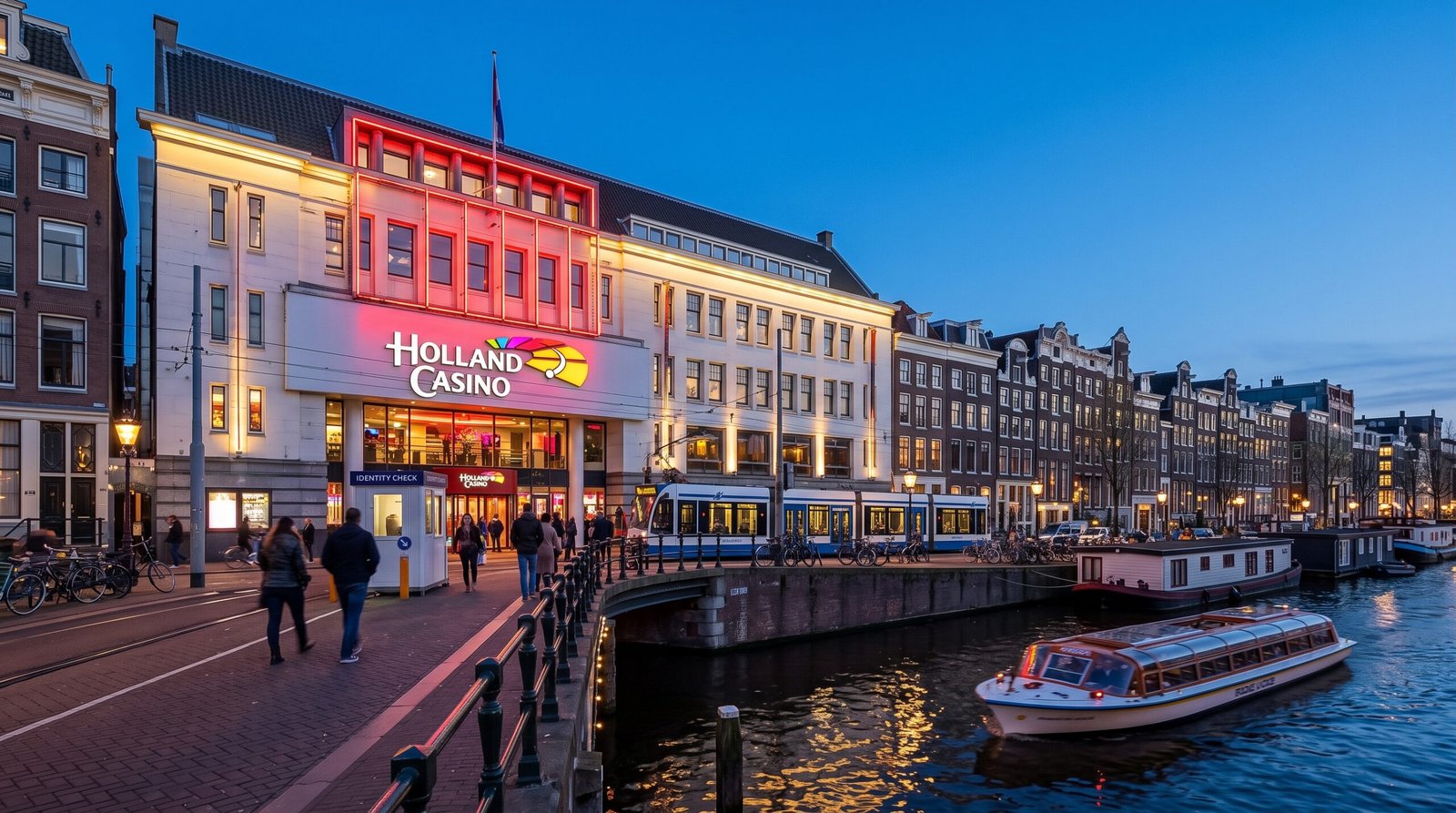

The 2026 Expat Guide to Gambling in the Netherlands: Every Regulation Explained Simply matters because one key number is already changing the cost of doing business, and that quickly filters down to what you see, where you can play, and how strictly operators have to behave. In the Netherlands, the scheduled gambling tax rate (kansspelbelasting) is 37.8% as of 1 January 2026.
Key Takeaways
| 1) Start with the “licensed or not” reality | In practice, your safest default is to use regulated products from operators authorised under Dutch rules. |
| 2) Plan for stronger player protection | Dutch player safety expectations keep tightening, especially around verification, limits and responsible gambling processes. |
| 3) Compliance is operational, not just legal | Good compliance also means content, marketing and affiliate behaviour staying within the lines. See our piece on KSA vs. player reality, and why the information gap matters. |
| 4) Expect deadlines that shape market access | License renewals and changing frameworks influence which platforms remain stable and regulated for expats. |
| 5) Affiliate and social content can affect what you’re offered | If you follow gambling influencers, you should understand how regulated communications work. Our audit framework for affiliate TikTok content at scale in 2026 shows what teams should check. |
| 6) If you live here, verify properly | KYC and verification are not a formality. They connect directly to limits and whether you can keep playing. |
- Common question: “What are the rules for expats gambling in the Netherlands in 2026?” The short answer is that licensing, verification, limits and responsible gambling obligations determine what is allowed.
- Common question: “Do I need Dutch documentation to play?” Usually you need to pass the operator’s verification checks, which are part of Dutch compliance expectations.
- Common question: “How do I spot regulated gambling?” Start by checking whether the operator holds the right Dutch authorisations and whether the platform behaves like a regulated operator (limits, verification and responsible gambling tools).

1) The Netherlands gambling basics in 2026, explained for expats
When we say “the 2026 Expat Guide to Gambling in the Netherlands: Every Regulation Explained Simply,” we mean the rules that actually affect your day-to-day behaviour as a player. In 2026, the biggest practical difference is whether you interact with an operator that is operating under Dutch requirements, especially around player protection.
Most expats focus on games and odds. The regulator-focus story is different. Dutch policy is designed to reduce harm, prevent underage access, and control marketing and conduct. That is why verification and responsible gambling features are not optional “nice to have” elements.
If you only remember one rule, make it this: regulated gambling is not just legal access, it is compliance access. That compliance access is what supports safer payment flows, transparent terms, and tools that help players manage risk.
2) Licensed gambling vs illegal gambling: what “regulated” means in practice
For expats, “licensed or illegal” is the first fork in the road. You may still find offers that look familiar, but the practical outcome differs when the operator is outside Dutch authorisations.
In 2026, channelisation is still a real issue. Players may think they are moving between sites to get better access, but the ecosystem reacts differently when the operator is regulated versus offshore.
So what should an expat do with this information? You do not need a spreadsheet, but you do need a checklist:
- Check the operator’s Dutch authorisation status (and don’t rely only on marketing claims).
- Expect verification and limits that align with Dutch player protection practices.
- Take marketing claims with caution, especially if offers are pushed through social channels where compliance can be blurry.
For teams and operators, this is not theory. Our editorial analysis on individual license models and the future of Dutch player safety in 2026 explains why the structure of authorisations impacts how safety obligations show up.
3) Dutch gambling license requirements 2026: what changes, and what stays constant
When people search for “Dutch gambling license requirements 2026,” they usually want two things: what it takes to be allowed to operate, and what that means for expats who just want to play.
For expats, the key is that licensing requirements create operational constraints for operators. Those constraints show up in how players are onboarded and how the operator handles ongoing risk, limits and verification.
For example, there is a non-trivial application fee for operators applying for a Dutch remote gambling license: €61,300. That cost alone shapes which operators enter the market and which compliance systems they can afford to build and maintain.
Also, sanctions can be severe. The enforcement reality affects what players get, because regulated operators invest to avoid disruption.
If you are interested in how compliance expectations turn into content and publishing decisions, our guidance on the June 2026 Dutch gambling reset and rapid compliance updates for iGaming content teams is one of the clearest explanations of what “staying compliant” looks like operationally.
4) KYC, verification and player limits: the rules you feel as a player
KYC and verification are the parts of gambling regulations that hit expats first. You may want fast access, but Dutch compliance expectations prioritise identity checks, proper onboarding, and the integrity of payment and account controls.
In 2026, operators also face pressure to handle customer accounts more accurately, especially if players try to manage limits by splitting activity across multiple sites. This does not make the system easier, it makes it more scrutinised.
As you read the 2026 Expat Guide to Gambling in the Netherlands: Every Regulation Explained Simply, treat verification and limits as the “why” behind many user experience rules. If an operator asks for documents, or if certain actions trigger additional checks, that is part of how player protection gets implemented.
We also see increasing operational attention to how content and marketing aligns with the regulated offer. That includes ensuring responsible messaging is not undermined by inconsistent claims, and that affiliate and social campaigns do not drift away from compliance obligations.
5) Sports betting rules for expats: odds, offers, and responsibility
Sportsbooks are where a lot of expat gambling starts. But the Dutch regulatory perspective is not just about odds formatting or bet types. It is about the full lifecycle: onboarding, responsible gambling behaviour, marketing conduct, and how information is presented.
In practical terms, you should expect:
- Clear bet terms and transparent settlement approaches.
- Controls around deposits and spending, especially when you request limits or when risk signals appear.
- Responsible gambling prompts integrated into the user journey.
If you use comparison sites or read sportsbook tips, remember that content quality and compliance are connected. In 2026, teams are expected to operate with tighter controls, especially when AI tools start producing or accelerating text.
That is why our analysis on Google’s 2026 AI search reality check for Dutch iGaming is relevant even for expats. It is not about “ranking,” it is about whether the information you see is reliable and consistent with compliance requirements.
6) Casino games and probabilities: understanding win claims without the hype
Expats often ask about casino games in the same breath as “will I win?” The better question in 2026 is: what claims are being implied by marketing, and how do the numbers really behave?
Lotteries and casino games have different win probability structures, and many players confuse “chance to win” with “chance to profit.” If you are looking for practical odds context, we recommend understanding how probability changes across game types.
Our editorial explainer on lottery vs casino win probability in 2026 is useful because it frames odds without pretending the outcome is anything but random.
Regulations matter here too, because the way games are marketed influences player behaviour. A regulated operator should provide responsible information, and compliant communications are part of that responsibility.
7) Compliance risk in 2026: why KSA enforcement affects what you can access
Even if you never hear about enforcement, it shapes the market you experience. When regulators take action, operators may change processes quickly, including verification flows, responsible gambling tools and content publishing rules.
In 2026, the maximum administrative fine an operator can face from the Kansspelautoriteit (Ksa) can reach €1,030,000, or alternatively up to 10% of prior-year turnover. That is not a rounding error, it is a business-level risk.
For expats, the takeaway is simple: the rules are not just paperwork. Enforcement pressure forces operational change, and that includes user experience elements that players feel directly.
If you want a practical example of how compliance information can diverge from what players actually understand, our article KSA vs. player reality: closing the compliance information gap is designed around that exact mismatch.
8) Timing and deadlines: remote license expiry and what it means for expats in 2026
Deadlines matter because they affect stability. If a platform is approaching a key renewal window, you can see shifts in product access, account handling, and compliance priorities.
One notable time marker is September 30, 2026, which is the hard deadline when the earliest five-year remote gambling licenses issued by Kansspelautoriteit are set to expire. That kind of date is not “player news,” but it becomes market news when it changes which operators remain active and regulated.
So how do expats use this? Treat it as a reason to double-check where you play, and as a reminder that regulated ecosystems evolve. If an operator changes processes, it is often because the regulatory clock, compliance systems, or authorisation structures require it.
It also explains why operators keep investing in faster compliance update systems. If the content, the marketing and the offer are all part of the same regulated footprint, the operational workflow must keep up. That is the thinking behind the 2026 framework for auditing affiliate TikTok content at scale.
9) The expat “do this now” checklist for compliant gambling in the Netherlands
Let’s turn the regulations into a practical checklist you can use in 2026 without reading Dutch policy documents.
- Choose regulated access first, then pick your game or sportsbook. Don’t start with promotions.
- Complete verification properly, because your ability to use limits and accounts depends on it.
- Use responsible gambling tools early, not after you notice a problem. Limits are part of compliance, not punishment.
- Be careful with affiliate offers from social content. In 2026, content auditing frameworks exist because the communication channel matters.
- Manage expectations around probabilities. If you are comparing lotteries and casino games, understand that the win probability story is not the same.
And if you care about where the information you read comes from, remember that editorial and compliance workflows increasingly involve data tools and AI-assisted processes. For a look at how operational decision-making gets shaped, see our analysis on Edge Hound AI Investment Review.
Featured images for this guide (visual context)

Commercial CTA
If you are an operator, content team, or affiliate business and you need Dutch iGaming content that stays compliant and accurate for expats in 2026, we can help you build and maintain a system that updates fast. View our Dutch iGaming content services.
Conclusion
The 2026 Expat Guide to Gambling in the Netherlands: Every Regulation Explained Simply boils down to one idea, regulations show up in your experience. From Dutch gambling license requirements 2026 to verification, limits, and responsible gambling obligations, the regulated market is designed to reduce harm and limit risky behaviour through enforceable operational rules.
If you are relocating in 2026, treat this guide as your practical starting point. Confirm that the operator is authorised, verify properly, use tools early, and don’t let flashy promotions override basic probability and compliance reality.
Frequently Asked Questions
What are the rules for expats gambling in the Netherlands in 2026?
In 2026, the main rules expats feel are licensing-based and player-protection based. The 2026 Expat Guide to Gambling in the Netherlands: Every Regulation Explained Simply focuses on verification, responsible gambling tools and how regulated operators manage risk through enforceable requirements.
Do I need Dutch documents to gamble legally as an expat?
You usually need to complete operator verification, which typically includes identity checks tied to your account and access. That process is part of Dutch player protection expectations, so it is normal to be asked for documents before you can deposit or play.
How can I check Dutch gambling license requirements 2026 without getting tricked by marketing?
Use the regulated-access approach: confirm the operator’s Dutch authorisation status and look for compliance signals like verification and responsible gambling features. This is the same logic we use in the 2026 Expat Guide to Gambling in the Netherlands: Every Regulation Explained Simply to separate regulated access from offshore marketing.
Is it safer to play casino games or sports betting in the Netherlands in 2026?
Safety in 2026 is less about the game type and more about the operator’s compliance. The 2026 Expat Guide to Gambling in the Netherlands: Every Regulation Explained Simply treats both casino games and sportsbooks as regulated offerings, where verification, limits and responsible messaging are central.
Why do I see different limits and deposit controls across sites in 2026?
Differences usually come from whether the operator is complying with Dutch player protection processes and how they implement verification and limits. In the 2026 Expat Guide to Gambling in the Netherlands: Every Regulation Explained Simply, we recommend using limits consistently instead of searching for “easier” access.
What happens to expat access when remote licenses expire in 2026?
When a renewal window approaches, operators may adjust onboarding, account handling and product availability while they remain within regulatory frameworks. That is why the 2026 Expat Guide to Gambling in the Netherlands: Every Regulation Explained Simply highlights September 30, 2026 as a market timing point.
Commercial CTA
Need accurate Dutch iGaming content for expats and players in 2026? If you are building or refreshing sportsbook, casino, and compliance-driven editorial, advertise with us to reach the Dutch iGaming market through our publication.
Written by Maurice Kruytzer