Brazil bans gambling and what about poker now in 2026?
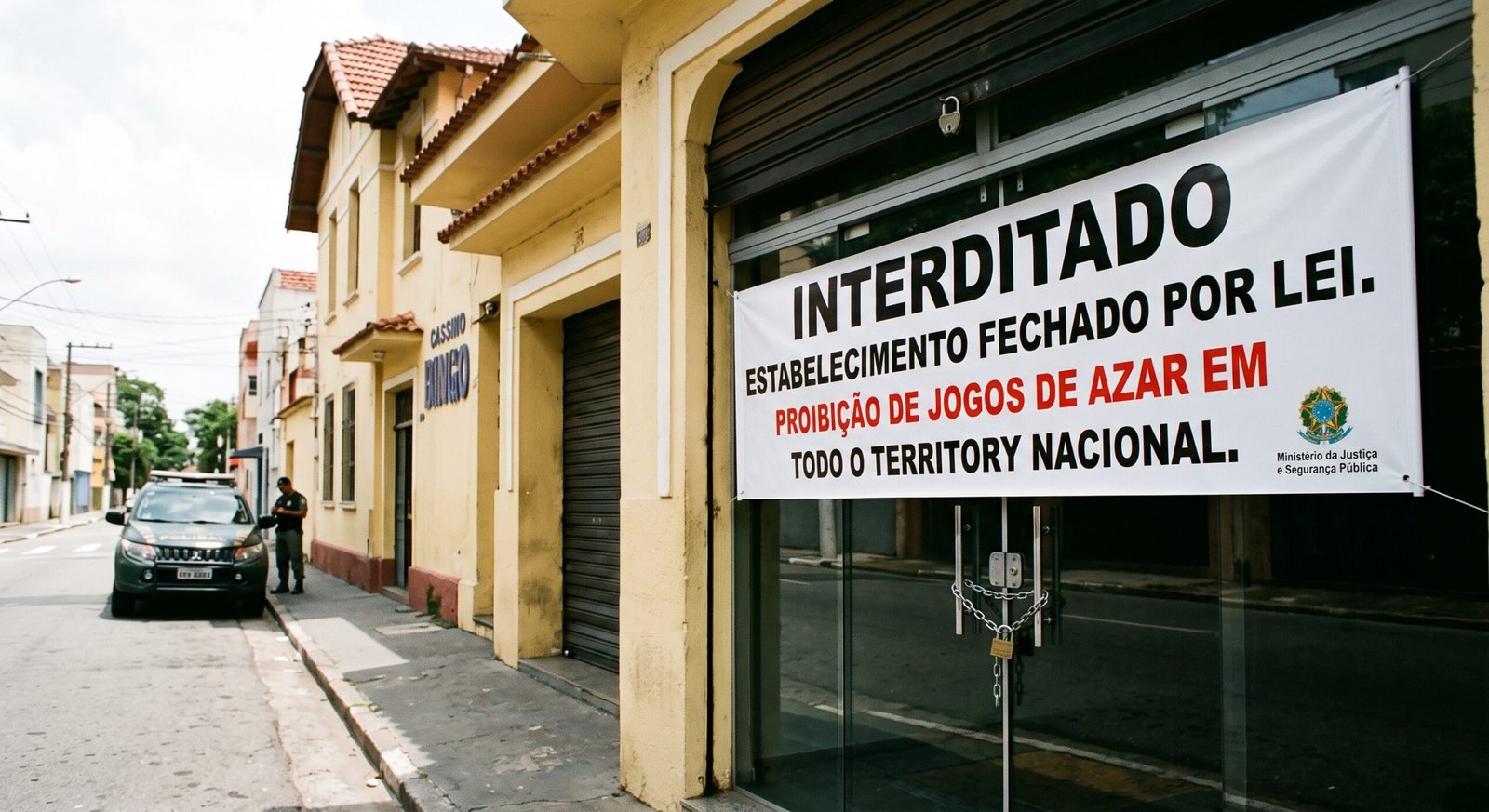
Online casino games account for around 75% of licensed operators’ revenue in Brazil, according to figures cited by Reuters. That makes talk of a gambling ban sound sweeping. But the 2026 debate is about proposals and political pledges, not evidence that Brazil has banned all gambling.
For poker players, the key distinction is that poker is generally treated as a game of skill in Brazil, rather than as fixed-odds betting. That does not mean every online poker product has a clear, nationwide regulatory green light. The format, the operator and the legal basis still matter.

Has Brazil banned gambling in 2026?
No blanket ban follows from the reports at the centre of this debate. They describe a political pledge to ban online gambling and a bill introduced in April 2026 that seeks to prohibit betting operations. A pledge is not a law. A bill is not a law either: it must pass through the legislative process and take effect before it changes what operators may legally offer.
That distinction matters for players and businesses. Headlines can make a proposed ban sound immediate, while licensed operators continue to work under the existing framework unless and until the law changes. The reporting on the 2026 political debate and the bill presented in April should therefore be read as coverage of proposals, not proof that all gambling has been prohibited.
What does the debate mean for poker?
Brazil’s regulated fixed-odds betting market and poker do not fit neatly into the same legal category. The country’s gambling framework regulates fixed-odds betting, while poker has generally been regarded as a game of skill. The distinction is reflected in ICLG’s overview of Brazilian gambling law.
That classification is important, but it is not a universal permission slip. A poker tournament, a cash game and a product that combines poker with other gambling features may raise different questions. Operators should not assume that a label such as “skill game” settles every licensing, consumer-protection or operational issue.

This is the practical answer to “what about poker now?”: the broader political debate does not, by itself, establish that poker has been banned. The legal treatment of the specific game and its operation still needs to be assessed on its own terms. “Poker is a game of skill” is a useful starting point, not a substitute for checking the rules that apply to a particular product.
Why a proposed betting ban could still affect the poker market
Even if poker is treated differently under the law, a wider restriction on betting could affect the commercial environment around it. Operators may share payment systems, technology, marketing channels and corporate structures across products. A change to betting rules could therefore create operational uncertainty for businesses that also offer poker, even where poker is not expressly included in a proposal.
There is also a broader market question: what happens to player activity if legal products are restricted? Estimates cited by iGaming Business put the share of online bets placed with illegal operators at 38% to 44% in the first half of 2026, down from a reported 51% in 2025. The figures concern betting activity, not poker specifically, and should not be treated as proof that a ban would drive poker players to unlicensed sites. They do underline why enforcement and the availability of legal products matter.
What players and operators should watch next
For players, the headline alone is not enough to determine whether a particular poker site or game is lawful. Check the product being offered and the operator’s legal position. For operators, the crucial developments are whether a proposal advances, how its text defines the activities it would cover, and whether poker is explicitly addressed.
The debate also has a lesson for businesses outside Brazil: regulatory categories matter. A political statement about “gambling” can cover very different products, while a bill’s definitions determine what it would actually change. Treating a campaign pledge as enacted law is inaccurate. Treating poker’s skill classification as blanket approval is just as risky.
Sources
- Associated Press: Brazil’s 2026 online gambling debate
- iGaming Brazil: Bill proposing a ban on betting operations
- ICLG: Gambling laws and regulations in Brazil
- iGaming Business: Market reporting on illegal betting
What the 2026 debate means for poker
Brazil’s gambling debate is not the same as a nationwide gambling ban, and the available reporting describes proposals rather than a confirmed prohibition covering every product. Poker’s treatment as a game of skill gives it a distinct starting point, but operators and players still need to consider the specific format and rules involved. The next decisive question is not what a campaign slogan says; it is what any enacted law actually covers.
Written by Maurice Kruytzer