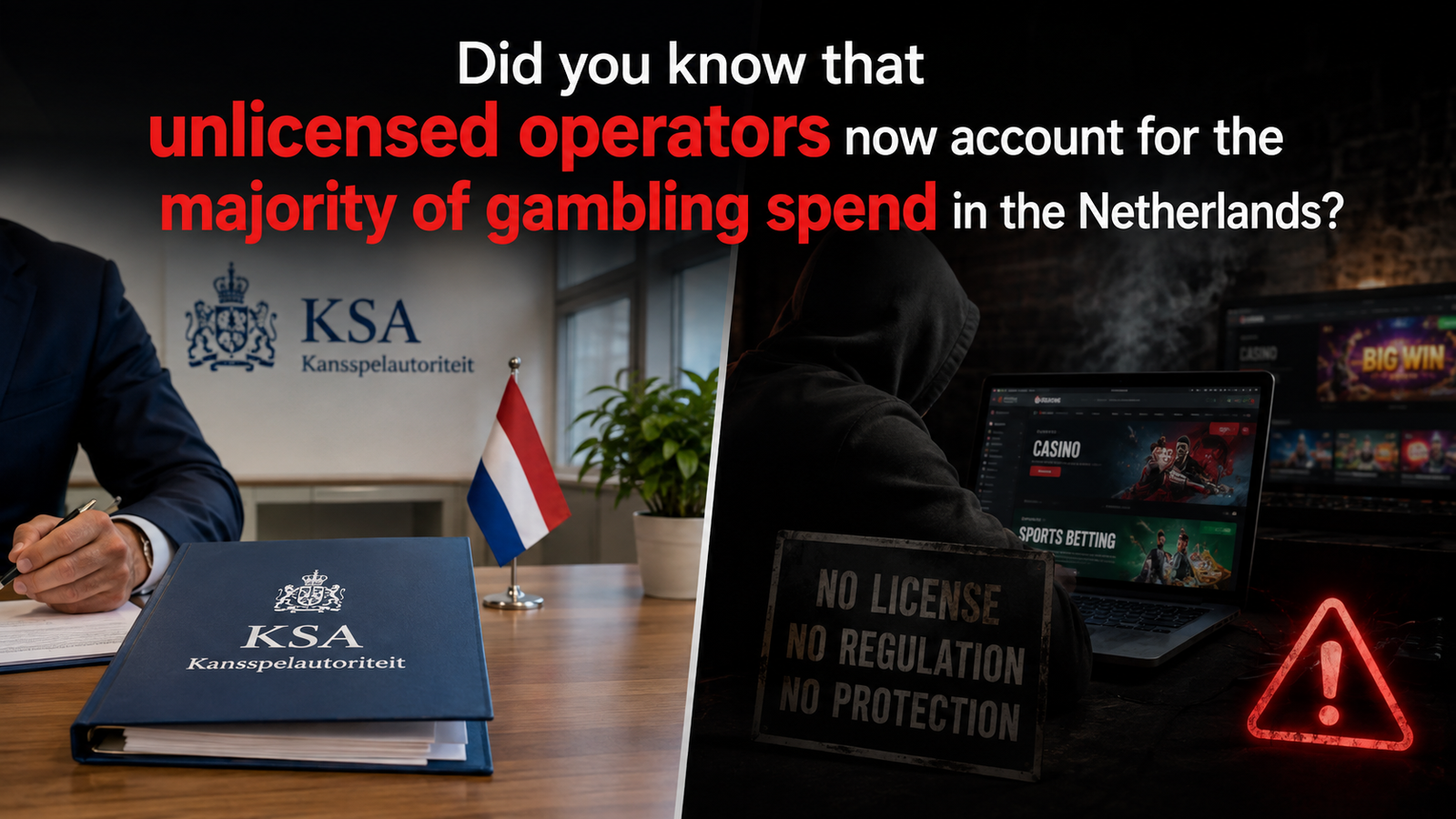
In the Netherlands, players do not treat an affiliate casino review like a brand brochure. They use it as part of their decision process. That is exactly why the Kansspelautoriteit (KSA) focuses on evidence-backed clarity, visible responsible gambling messaging, and content that does not confuse regulated access with marketing claims.

Key takeaways you can apply to every Dutch casino review page
- Licensing clarity must be verifiable and presented plainly, not implied through vague wording.
- Affiliate disclosure needs to be visible before the persuasive parts start, not hidden.
- Responsible gambling messaging must follow the required placement logic, including header and footer visibility.
- Bonus terms must align with Dutch deposit limit and eligibility expectations, explained in usable language.
- Human-in-the-loop editorial review is the practical safeguard against affiliate drift.
1) Independence and disclosure: treat it as a publishing requirement
If your casino reviews come from an affiliate setup, KSA expects you to handle independence like part of editorial quality. Neutral-sounding language that still steers readers toward one operator can be a compliance risk because it misrepresents how the page is produced.
Use a clear disclosure approach that players can see immediately. Do not postpone it until after the pitch. Avoid structures where the reader encounters incentives, odds, or “best offer” claims before they understand the commercial relationship.
Practical checklist: disclose the affiliate relationship on the review page, not just in a footer link, and keep the message consistent across page templates.
If you need a starting point for selecting the right editorial independence, Maurice outlines what to look for in “independent casino experts” in how to find an independent casino expert you can actually trust in 2026.
2) The “truth layer”: licensing checks and operator legitimacy
The strongest compliance foundation starts with legitimacy, not brand reputation or polished design. KSA is looking for whether the review content clearly distinguishes regulated access from unlicensed offerings, and whether the page claims match what can be verified.
Many affiliate pages fail because they reference licensing like a checklist without doing the underlying verification. In a 2026-style approach, you need a repeatable process that checks the operator profile before you write, and you need to localise the resulting statements so they do not read like translation artifacts.
Verification should cover more than “license exists”. It should also cover how the operator presents regulated access to players, and whether your wording could be interpreted as implying regulated availability when that is not what the operator offers.
Credible review output includes: clear operator profile references, aligned statements about regulated access, and consistent handling of account verification steps.
To evaluate whether your review team can produce that kind of evidence-first page, you can review Maurice’s guidance on who actually qualifies to write trustworthy Dutch online casino reviews.
3) Bonus and deposit limits: compliance-ready explanations, not bonus hype
Bonuses attract clicks, but KSA’s focus is on player protection outcomes. That means your casino review bonus sections must connect promotional language to Dutch deposit limit and eligibility expectations in a way players can actually apply.
If you publish bonus copy that mentions limits loosely, or you describe eligibility and conditions in a way that contradicts the Dutch framework, you create an information gap. That gap matters because it can lead to misunderstandings, and misunderstandings increase scrutiny.
Also, treat wording accuracy as part of compliance. A small mismatch around eligibility, withdrawal conditions, or account verification can change how readers interpret what is allowed.
Operational rule: align bonus descriptions to Dutch expectations and verify the constraints before you publish, not after.
If you run multi-format content, it often helps to keep bonus terminology consistent across reviews, payment pages, and related editorial modules. Maurice also covers KSA-aligned publishing patterns for sportsbook content, where deposit and responsible messaging consistency become even more important.
4) Responsible gambling messaging: placement, exact wording, and mobile visibility
KSA expects responsible gambling content to be prominent and reachable. Not hidden behind a section readers rarely open. Not reduced to a “set-and-forget” module that fails on mobile.
For Dutch affiliate casino reviews, the mandatory warning text must appear on every page, with placement aligned to header and footer visibility. Players interact with navigation and sidebars, so your responsibility messaging needs to stay in view throughout the browsing session.
Required warning text: “Wat kost gokken jou? Stop op tijd. 18+”.
Mobile-first compliance check: confirm the warning remains visible on mobile layouts and the age gating logic supports at least the 24+ threshold expectation.
Do not mislead with re-engagement mechanisms like newsletter prompts. The message has to support protection intent at the time the player is making choices, not just exist somewhere on the site.
5) Mobile-first architecture: readability controls whether the “truth layer” lands
Mobile readability is not a design preference. It determines whether your compliance statements reach the player before decisions get made. If your review content becomes hard to consume on a phone, the practical effect of your verification layer is reduced.
A 2026-style review structure avoids heavy scripts, oversized media, and pop-ups that distract from licensing, responsible gambling information, and bonus terms. In regulated environments, friction often becomes a trust problem.
Make the journey predictable. Players should reach the relevant compliance information quickly, without hunting through promotional content blocks first.
6) Human-in-the-loop editorial integrity: prevent affiliate drift with phase-based checks
Affiliate teams can start with good verification discipline, then drift under publishing pressure. In 2026, that drift often shows up as faster publishing output, weaker checks, and more “promo-style” rewrites of terms.
AI-assisted workflows can support efficiency, but they should not replace the integrity checks. A solid editorial process should include human review at key steps, with documented verification rather than a one-off score.
In practice, editorial integrity for affiliate casino reviews looks like:
- Phase-based verification (licensing, games, payments, withdrawal conditions, responsible gambling checks happen before publication).
- Dutch proofreading and localisation control so compliance language reads like it belongs in Dutch iGaming, not like a generic translation.
- Consistent terminology across bonus explanations, FAQs, and “how withdrawals work” sections.
- No performance claims without proof (especially if the operator promises speed or specific user experience outcomes).
Integrity target: your review must be auditable. If someone asks “how did you verify this?”, your process should provide an answer.
7) Structure around player questions, not click incentives
Many players reach casino reviews through affiliate channels, not through “neutral browsing”. That is why KSA’s practical concern aligns with how readers think and decide.
Build your review page around questions a player needs to answer, such as licensing and regulated access, payment methods and withdrawal conditions, responsible gambling information placement, and bonus terms explained in Dutch usage patterns (not pasted from promotional materials).
This structure also reduces the risk that persuasive elements crowd out verifiable information.
If you want a deeper view of what “recognisable expertise” means in regulated publishing and how to document it, see Maurice’s methodology-focused content on editorial qualification and trust signals in trustworthy Dutch online casino reviews.
8) Red flags KSA is likely to treat as “not credible”
KSA does not need your site to be malicious to be concerned. A page can be flagged because it is misleading, unclear, or inconsistent with player protection expectations.
Common red flags to remove during editorial review:
- Vague licensing language, for example claims that imply regulated access without defining the regulated context.
- Bonus terms without real restrictions (eligibility, wagering conditions, withdrawal conditions missing or not explained).
- Responsible gambling content that is present but not usable, for example poor header/footer behaviour or placement that disappears on mobile.
- Affiliate disclosure that arrives too late, after the persuasive parts start.
- Foreign-sounding compliance language, caused by proofreading gaps or generic translation that does not reflect Dutch iGaming terminology.
- Inconsistent numbers and timelines between tables and the narrative explanation.
These issues often fail because teams treat compliance as a final polish step instead of a content architecture requirement.
Conclusion: what KSA looks for in affiliate Dutch casino reviews in 2026
KSA looks for evidence-based clarity. That means verifiable licensing legitimacy, affiliate disclosure that players can actually see before persuasion, responsible gambling messaging placed correctly on every page, and bonus explanations aligned with Dutch expectations for deposit limits and eligibility.
If you want your review program to scale without affiliate drift, you need a workflow where verification happens before publication, Dutch localisation is treated as compliance work, and human editorial integrity stays in the final decision loop. If you want help reviewing your structure and editorial process, explore Maurice’s related resources or reach out for editorial support.
Get practical editorial support
If you are building or updating a Dutch casino review operation and you want to reduce compliance uncertainty, send your current page template and review workflow. Maurice can help you identify where licensing clarity, disclosure visibility, responsible messaging placement, and bonus term explanations need strengthening.
Prefer a targeted starting point? Compare your workflow against the integrity principles Maurice outlines on finding an independent casino expert, then adapt your review phases accordingly.