Around 90% of online gamblers in the Netherlands now play only on licensed platforms. That single number is why Dutch sports betting localization has stopped being a nice-to-have and become a foundational growth requirement.
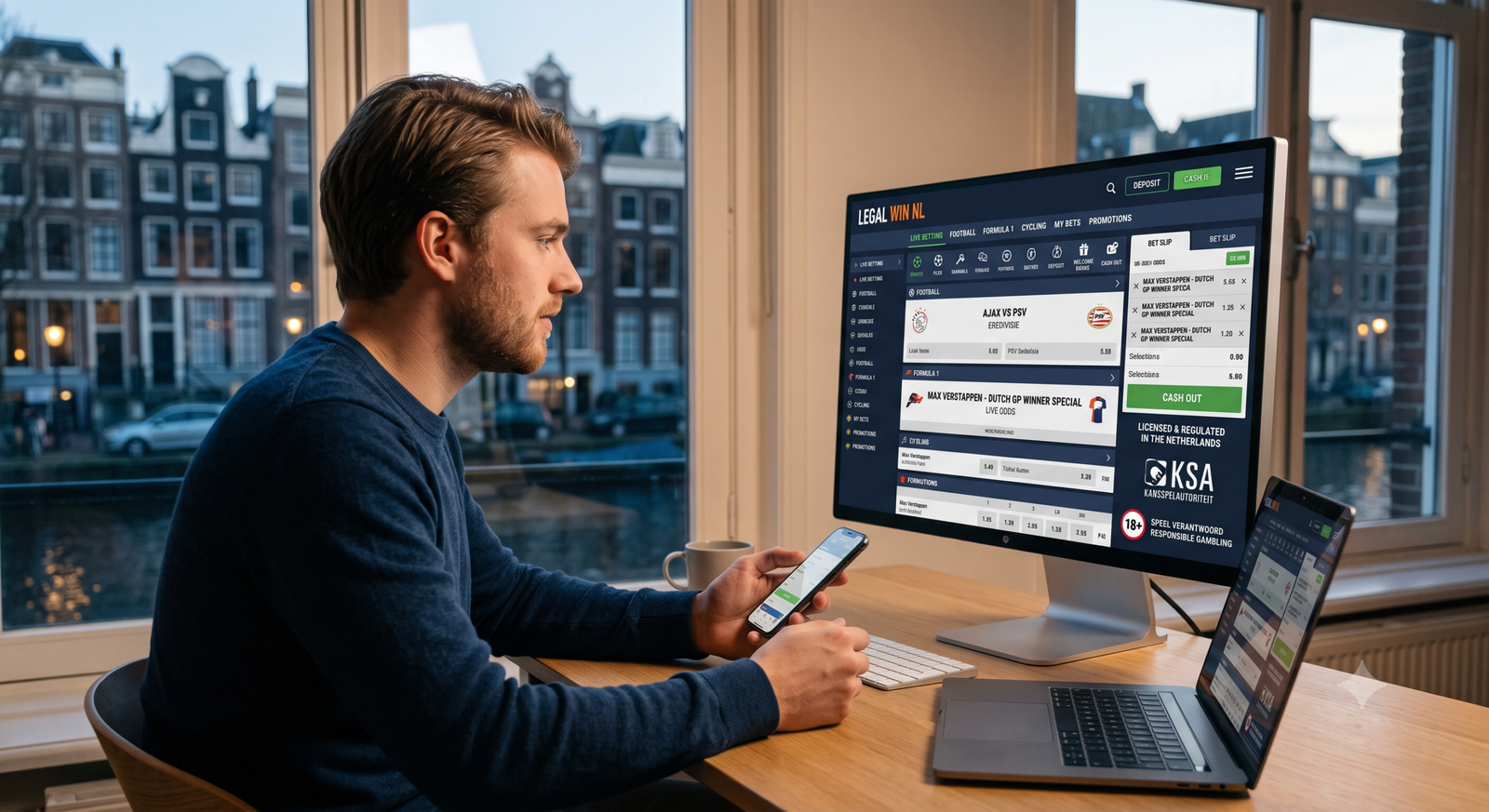
Dutch players are not chasing the biggest bonus. They want a platform that feels safe, reads naturally, and treats compliance like it matters. A word-for-word translation from English cannot deliver that. It needs a full rebuild around Dutch rules, Dutch habits, and Dutch communication style.
Key Takeaways
| Factor | Why It Matters for Dutch Sports Betting Localization |
|---|---|
| Localization vs. translation | Word-for-word copy reads foreign within the first few sentences. Dutch players notice immediately. |
| KSA compliance | 90% of players stick to licensed sites, so clear compliance language outperforms aggressive promotion. |
| Mobile-first delivery | 82.1% of Dutch bettors use websites or apps as their main channel. See our mobile-first SEO strategies for the technical side. |
| iDEAL payments | 39% of Dutch online shoppers prefer iDEAL. It needs its own explanation, not a spot in a long list. |
| Responsible gambling tone | Young Dutch gamblers lose over €600 per year on average. Content has to treat this with weight. |
| Traditional competitions | 73% of Dutch fans prefer established leagues over influencer-led content. |
| Human review | Our sports betting analysis content services pair AI drafting with editorial checks, and our portfolio of Dutch iGaming projects shows how the framework performs. |
What Dutch Sports Betting Localization Actually Means
Most agencies still treat localization as a translation task. Swap the English words for Dutch ones, keep the structure, publish.
That approach fails. The grammar checks out. The tone doesn’t.
Text built this way often reads too formal, too promotional, or too close to its English source. KSA terminology, iDEAL payments, Dutch leagues, and responsible gambling rules go missing entirely.
Real Dutch sports betting localization rebuilds the page for a Dutch audience. It starts with what Dutch players search for, what information they actually need, and which details build trust in a betting platform.
That affects the headline, the calls to action, the payment section, the bonus terms, the mobile layout, and the responsible gambling message. A Dutch bettor often checks for a KSA licence before comparing odds.
The regulated Dutch market rewards trust, punishes shortcuts, and demands an architecture built around real search intent clusters.
Mobile-First Architecture as the Foundation for Dutch Sports Betting Localization
Good localization cannot fix a poor website. If your technical foundation is wrong, no amount of long-form content will save you.
About 82.1% of Dutch sports bettors use websites or apps as their main channel. Most readers meet your content on a small screen first, not a desktop.
Heavy scripts, bloated images, and clumsy pop-ups kill the experience before the content ever gets read. A reader leaves before reaching the information that actually matters.
Mobile design also changes how the writing itself should work. Long paragraphs read worse on a phone, so key facts need to sit early and headings need to say exactly what follows.
The betting journey has to flow without friction: match preview, odds, payment information, account limits, responsible gambling tools. A useful test is to build every page for someone on a phone with a slow connection.

KSA Licensing: The Compliance Layer of Dutch Sports Betting Localization
Compliance is not a final check before publishing. It needs to be built into the content from the first draft.
Dutch gross gaming revenue hit €4 billion in 2023. Meanwhile, the tax burden on operators is climbing from 30.5% in 2024 to 37.8% on January 1, 2026.
Higher costs put more pressure on margins, not a reason to reach for stronger promotional language. Inaccurate content raises the financial and legal risk instead of lowering it.
The KSA can act against unlicensed gambling and advertising violations, with penalties reaching €2 million or 10% of annual turnover. A single wording error can leave a player with the wrong impression about an offer or a licence status.
Compliance is now a ranking factor, not an afterthought. Good Dutch sports betting localization uses language that is accurate first, natural second, and never overpromises what the operator cannot support.
Payment Localization: Why iDEAL Belongs in Dutch Sports Betting Copy
Payment information is core to Dutch sports betting localization, not a footnote. Around 39% of Dutch online shoppers prefer iDEAL, putting it ahead of PayPal in the figures behind this article.
Dutch players already know iDEAL from everyday online purchases. Seeing it on a betting platform ties the deposit process to a banking habit they already trust.
Dropping iDEAL into a long list of payment logos is not localization. The copy needs to explain where the option appears, how the payment works, and what to expect during the process.
This information also needs to be easy to find, not buried in a footer or help page. Deposits and withdrawals should be covered separately, since a method that works well for one does not always behave the same for the other.
Dutch Language and Cultural Nuance in Sports Betting Content
Correct Dutch grammar is only the starting point. Sports content also needs local reference points that a translation tool cannot generate.
Dutch readers expect coverage of Ajax, PSV, the Eredivisie, the national team, and major tournaments. Content built mainly around the Premier League can read as though it was written for a different market entirely.
Around 73% of Dutch fans prefer established competitions and traditional league formats over influencer-led content. That gives editorial planning a clear direction: build core content around leagues that already command Dutch attention.
Cultural localization also shapes tone. Dutch readers respond better to direct, specific language than to dramatic promises, and claims should explain what a fact actually means for the reader.
Local language and cultural fit can outweigh bonus size for many Dutch bettors.
Content Structure Built Around How Dutch Bettors Actually Search
Strong Dutch sports betting localization starts with the questions players are already asking. Some want a match preview, others want a betting market explained, and others want to check a payment option or a deposit limit.
These needs are rarely separate. A player reads a match preview, checks the markets, then wants to know how deposits work or whether a limit can be set before placing anything.
That means match information, odds explanations, payment guidance, and responsible gambling content need to sit in connected topic clusters, not isolated pages with no links between them. I structure topical hubs that answer the questions players actually ask.
Younger adults matter here too. Six in ten Dutch people aged 18 to 24 said they planned to bet on sports during major tournaments, which creates both opportunity and responsibility for how that content gets written.
Responsible Gambling Language as a Trust Signal in Dutch Sports Betting Localization
Young Dutch gamblers lose more than €600 per year on average. That figure alone is reason enough to treat responsible gambling as part of the full tone, not a warning bolted onto the bottom of the page.
Good content explains odds and markets without suggesting winning is easy. It discusses promotions without hiding the conditions attached to them.
The tone matters as much as the content. Responsible gambling language should be clear without talking down to the reader, and it should explain risk without leaning on fear or judgement.
Players need practical detail: what a limit actually does, why it exists, and how losses build over time. A platform that explains both the upside and the risk feels more honest than one that only talks about deposits and bonuses.
Our Human-in-the-Loop Approach to Dutch Sports Betting Localization
I do not hide the fact that I use AI. I lean into it, but AI does not make the final call.
Our Dutch Assisted Editorial Team runs different AI personas for specific jobs. Marieke handles Dutch tone and natural phrasing. Karol checks regulatory wording against current KSA guidance. Tom works on topic structure and search intent.
Gloria reviews responsible gambling language. Jop builds sports angles for match previews. Bobby keeps the publication pipeline consistent.
Each role stays narrow on purpose. That stops one system from trying to handle language, compliance, structure, and sports knowledge all at once.
The difference between us and the content mills is human-in-the-loop oversight. A human editor still checks whether the text sounds natural, whether the facts hold up, and whether every promotional line stays compliant.
Why Slower Growth Raises the Stakes for Localization
Dutch betting-related revenue is projected to grow 4.9%, below the 6.9% global average. Strict advertising rules and deposit limits explain most of that gap.
In a market like this, short-term traffic spikes don’t hold up. Operators need trust, useful content, and visibility that lasts.
The entry cost raises the stakes further. A KSA licence application carries a non-refundable fee of €48,000, which gives any operator a strong reason to protect that investment with careful content rather than expose it to weak or misleading copy.
Slower market growth doesn’t lower the value of localization. It raises the bar for each page, since it has to carry trust, compliance, and usability at the same time.
How This Framework Performs in Practice
The method combines three parts working together: compliance-ready language, mobile-first delivery, and Dutch copy that fits the local culture.
These parts depend on each other. Clean Dutch writing cannot perform on a slow, confusing mobile page, and a fast page cannot build trust if the licence information reads unclear.
Strong compliance language still feels distant if the sports references miss what Dutch fans actually follow. In our client work, this combined approach has outperformed generic translated content during the first content cycle, because localization here isn’t one writing task. It’s a full content system.
Trust signals now matter more than bonus size in Dutch sports betting content.
Conclusion
Dutch sports betting localization in 2026 goes far beyond swapping English words for Dutch ones. It needs natural language, accurate KSA information, a fast mobile experience, familiar payment methods like iDEAL, and sports coverage that matches actual Dutch interest.
Responsible gambling belongs in the full message, not a warning hidden at the bottom of the page. AI can support the drafting process, but human editors still check tone, facts, and compliance before anything publishes.
The Dutch market runs on strict rules and slower growth than the global average, which makes shortcuts costly. When localization supports the full user journey, it stops being a final translation step and becomes part of the foundational growth strategy behind the business.
Frequently Asked Questions
Is Dutch sports betting localization worth it in 2026?
Yes. Around 90% of Dutch online players use licensed platforms, and clear, locally relevant content builds the trust needed to keep them on the site. Poor translation does the opposite, even when the facts are technically correct.
What’s the difference between translation and localization for Dutch iGaming content?
Translation changes words from one language to another. Dutch sports betting localization adapts tone, structure, payment information, regulatory wording, sports references, and responsible gambling messaging for the Dutch market specifically.
Why is mobile-first design part of localization strategy?
About 82.1% of Dutch sports bettors mainly use online or mobile channels. If a page loads slowly on a phone, readers leave before the localized content ever gets a chance to work.
Does responsible gambling language affect localization quality?
Yes. Young Dutch gamblers lose more than €600 per year on average, so clear, calm risk information matters more than vague warnings or heavy promotion. It’s a core part of how trustworthy the platform feels.
How important is iDEAL for Dutch sports betting content?
iDEAL is preferred by 39% of Dutch online shoppers, so it needs a clear explanation rather than a spot buried in a long payment list. Localization content should treat it as a familiar, trusted option, not an afterthought.
Can AI handle Dutch sports betting localization on its own?
AI can support planning, drafting, and structure, but it should not produce a final version without review. Human editors still need to check natural Dutch phrasing, cultural fit, compliance wording, and responsible gambling tone.
What content topics matter most for the Dutch sports betting audience?
Traditional competitions remain the strongest starting point, since 73% of Dutch fans prefer established leagues over influencer-led content. A localization strategy built around the Eredivisie, Dutch clubs, the national team, and major tournaments tends to perform best.