Publishing sportsbook content in Dutch is easy if the goal is speed. It is much harder if the goal is quality.
Many operators and affiliates still rely on direct translation from English. The result is often technically correct, but it does not fully match how Dutch readers search, read, or evaluate betting content. That gap becomes visible in terminology, structure, and even in how betting markets are explained.
Localization addresses that gap. It reshapes content so it feels native to the Dutch market, while staying accurate, compliant, and useful.

Translation Changes Words, Localization Changes Meaning
A translated article focuses on language. A localized article focuses on the reader.
This difference becomes clear in sportsbook content. English betting terms such as “moneyline” or “player props” can be translated, but that does not mean they reflect how Dutch users think about betting markets.
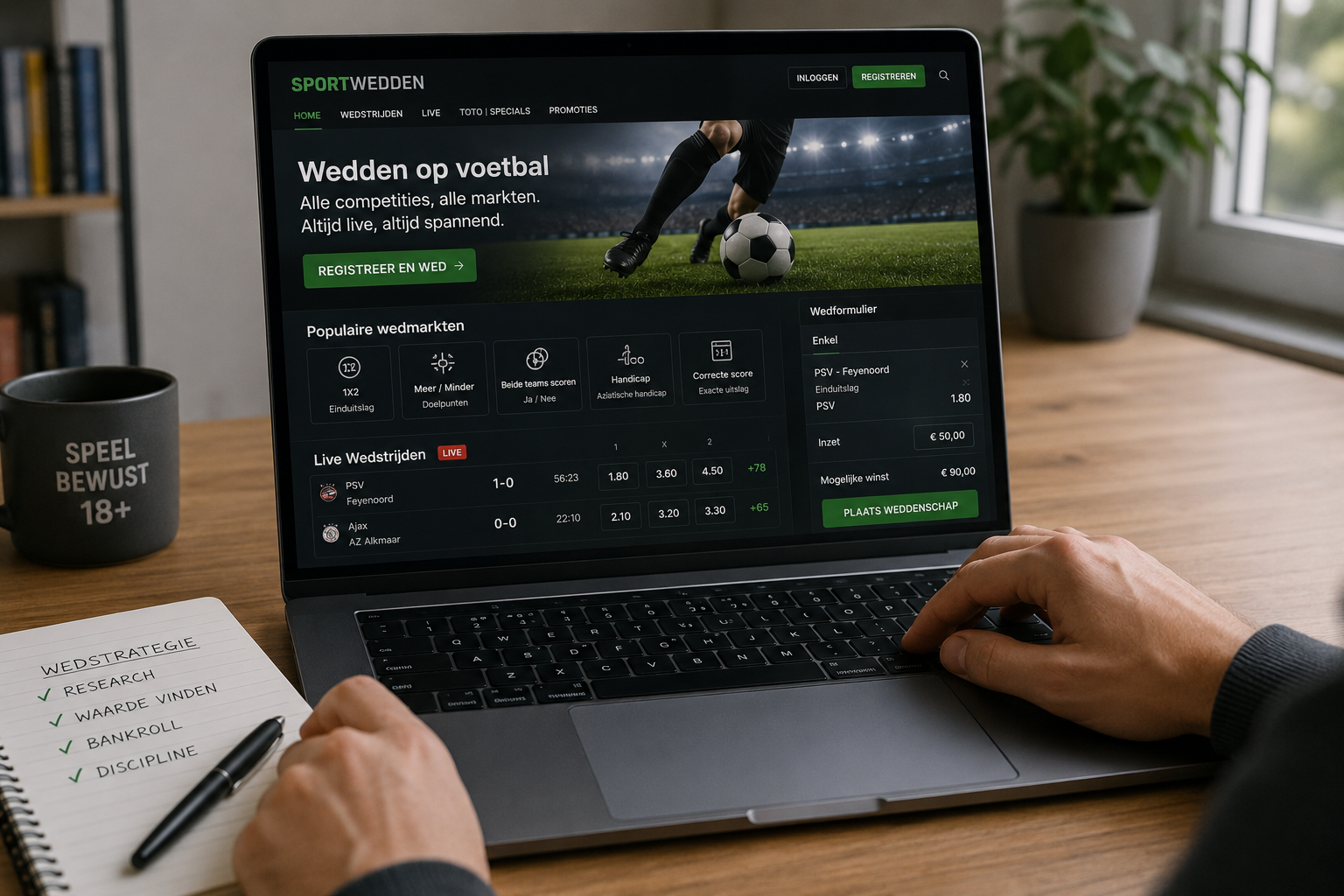
Dutch readers are more familiar with terms like 1X2 odds, gelijkspel, handicap betting, both teams to score, and total goals. Some international terms remain unchanged, while others require adaptation or short explanations.
Localization decides what to translate, what to keep, and what to explain.
It also changes context. A Dutch audience responds more naturally to Eredivisie matches, Oranje fixtures, and European competitions than to content built entirely around US sports.
What Dutch Sportsbook Readers Actually Expect
A strong Dutch sportsbook page does more than present odds. It combines several layers of information into one clear structure.
Readers expect:
- Accurate and up-to-date odds with clear favourites and underdogs
- Logical explanations of betting markets, not just listings
- Relevant statistics that support the analysis
- Natural Dutch phrasing instead of translated sentence structures
- Content that reflects the competition or event they searched for
These elements need to work together. If one layer is weak, the entire page loses credibility.
This is where specialist knowledge matters. Betting logic, language quality, and editorial judgement cannot be separated in practice.
How Localization Improves Sportsbook Content Structure
Structure is often overlooked in translation workflows. Yet it is one of the main reasons why localized content performs better for readers.
A Dutch match preview, for example, should answer the most immediate question first: what are the odds?
From there, the article can expand naturally:
- Main match outcome (1X2)
- Alternative markets such as handicaps or totals
- Goalscorer options
- Recent form and statistics
- Relevant betting angles
This order reflects how users consume information. It also allows one article to cover multiple related questions without becoming unfocused.
You can see how this approach fits into a broader content framework in the Dutch sportsbook content strategy.
Real Examples of Localized Betting Content
Localization becomes easier to understand when applied to real sportsbook topics.
Match Odds Context: Germany vs Curaçao
In a one-sided match, the main 1X2 market may offer limited value. A localized article recognises this immediately.
Instead of focusing only on the match winner, the content expands into handicap lines, win to nil, and goal-related markets. This gives the reader practical alternatives based on the odds.
The key point is context. Odds are not just numbers. They shape which markets are worth explaining.
Market Depth: Netherlands vs Turkey
For a high-interest match involving the Dutch national team, readers expect more than a simple prediction.
A well-localized article includes:
- Goalscorer bets
- Half-time and full-time combinations
- Exact score options
- Bet builders
- Qualification markets
Each market is explained through examples, not just listed. This makes the content usable for both experienced and returning bettors.
Beyond Football: GLORY Kickboxing
Localization is not limited to football. The same editorial approach can be applied to other sports.
In combat sports, the focus shifts to different data points such as striking accuracy, knockout ratios, and fight records. The structure remains consistent, but the analysis adapts to the sport.
This allows publishers to expand coverage without losing editorial quality.
Search Intent Shapes the Article, Not the Other Way Around
Dutch sportsbook content should start with the user’s question.
Take a query like “Netherlands vs Turkey odds.” The reader expects a clear and immediate answer. But that is only the starting point.
Follow-up questions naturally appear:
- Who is the favourite?
- What are the draw odds?
- Which betting markets are available?
- Can I bet on specific players?
- What does recent form suggest?
A well-structured article answers these questions in a logical order. This creates depth without unnecessary repetition.
It also helps define content types. Some pages are event-driven and short-lived, while others, such as betting market guides, remain relevant over time.
This balance is explored further in Dutch sports betting localization in 2026, where practical differences between content types are explained.
The Role of AI in Dutch Sportsbook Workflows
AI has changed how sportsbook content is produced. It can generate drafts quickly and support research tasks.
However, speed introduces risk.
AI systems can:
- Mix terminology from different markets
- Misinterpret betting rules
- Describe markets that are not available in the Netherlands
- Produce fluent but inaccurate explanations
This is why human editorial review remains essential.
In practice, AI works best as a supporting tool. It helps with structure and efficiency, but final validation must come from someone who understands Dutch betting terminology, compliance requirements, and editorial standards.
This combination of AI assistance and human review ensures that content remains accurate and publication-ready.
Compliance and Tone: Knowing What Not to Say
Localization also involves restraint.
Dutch gambling regulation, guided by the Kansspelautoriteit (KSA), requires clear and responsible communication. Content should not suggest certainty or guaranteed outcomes.
Statements like “easy win” or “safe bet” create a misleading impression. They also weaken trust.
Professional sportsbook content keeps a clear distinction between analysis and certainty. Odds reflect probability, not outcomes.
This balance allows content to remain informative while respecting regulatory expectations.
Building Long-Term Authority With Localized Content
One localized article can improve quality. A connected content structure builds authority.
Strong Dutch sportsbook platforms develop clusters of related content:
- League and competition guides
- Match previews
- Betting market explainers
- Live betting coverage
- Sport-specific analysis
These pieces support each other through internal links and consistent terminology.
Over time, this creates a clear editorial identity. It shows that the platform understands both betting and the Dutch market.
Examples of this approach can be seen in documented sportsbook content work, where different content types are connected through consistent structure and subject expertise.
Conclusion: Localization Is What Makes Content Work
Translation is a starting point. It makes content readable.
Localization makes it effective.
For Dutch sportsbook content, that means adapting terminology, structure, examples, and tone to match how readers actually engage with betting information. It also means combining AI efficiency with human editorial control to maintain accuracy and trust.
If your current content feels translated rather than written for the Dutch market, that difference will be visible to your audience.
If you want to improve the quality of your sportsbook pages or build a stronger editorial structure, explore the available resources on MauriceKruytzer.com or reach out directly for professional support. The focus is always the same: content that is accurate, compliant, and genuinely useful for Dutch readers.