Finding someone who can write about Dutch online casinos is not difficult. Finding someone who can combine long-form casino reviews, betting content, Dutch localisation, compliance awareness and a repeatable editorial workflow is a different task altogether.
That gap is exactly where Maurice Kruytzer works. He is a Dutch iGaming Content Writer and AI-Assisted Editor with more than eight years of experience producing and editing content for the regulated Dutch gambling market. His work sits at the intersection of editorial quality, compliance and publication readiness, which are the things that actually determine whether long-form content holds up over time.
You can see how this is structured on the Dutch iGaming Content Services page.

Key Takeaways
- Dutch iGaming content requires specialist knowledge of licensing, payments and gambling terminology, not just fluent Dutch.
- Long-form content only earns its length when it answers genuinely complex questions from players and operators.
- Evidence-based reviews depend on verifying licence details, bonus terms and product facts before publication.
- AI can support research and structure, but human editors remain responsible for factual accuracy.
- A content cluster built around pillar and supporting pages performs better over time than isolated articles.
Why Generic Copy Falls Short in a Regulated Market
A general content writer can usually produce readable Dutch text. The issue starts when the subject requires accuracy the writer cannot simply infer.
A casino review touches RTP, volatility, bonus conditions, KYC checks, payment processing, game providers, live dealer formats and responsible gambling requirements. A sportsbook article adds odds formats, margins, handicap markets and event-specific detail. None of these are things a writer should guess while drafting.
What a specialist brings is not just familiarity with the words. It is knowing which claims need to be checked before they go live, and which details change often enough that last year’s article is already outdated.
A Content Approach Built on Dutch iGaming Experience
Maurice’s background combines editorial skill with direct exposure to gambling content: casino game mechanics, payment methods, sports betting markets and the compliance context that shapes how Dutch operators can communicate with players.
That combination matters because content quality and regulatory awareness are not separate tasks. A bonus description that ignores wagering disclosure rules is not just weak content, it is a compliance risk. A review that overstates withdrawal speed creates a trust problem the moment a player experiences something different.
You can browse examples of published work on the portfolio page, which shows how this experience translates into actual published articles rather than a general claim of expertise.
Why Long-Form Content Still Earns Its Place in Casino and Betting Publishing
Long-form has sometimes become a shorthand for “write more words.” That misunderstands why length matters in the first place.
An article earns its length when the underlying question is complex. A casino operator review is a good example. A reader typically wants to know whether the operator is licensed, which providers it works with, how deposits and withdrawals actually function, what the KYC process looks like, what the bonus terms really mean, and what the drawbacks are.
Trying to answer all of that in a few hundred words usually leaves gaps or forces vague statements. Long-form gives room to explain the product properly, but every paragraph still needs a reason to exist. Padding a review to hit a word count does not help the reader, and it does not build trust either.
The fluff-free approach to Dutch iGaming content covers this in more detail, including why mobile-first structure and clear intent matter more than raw word count.
Evidence-Based Reviews: Verifying Facts Before They Go Live
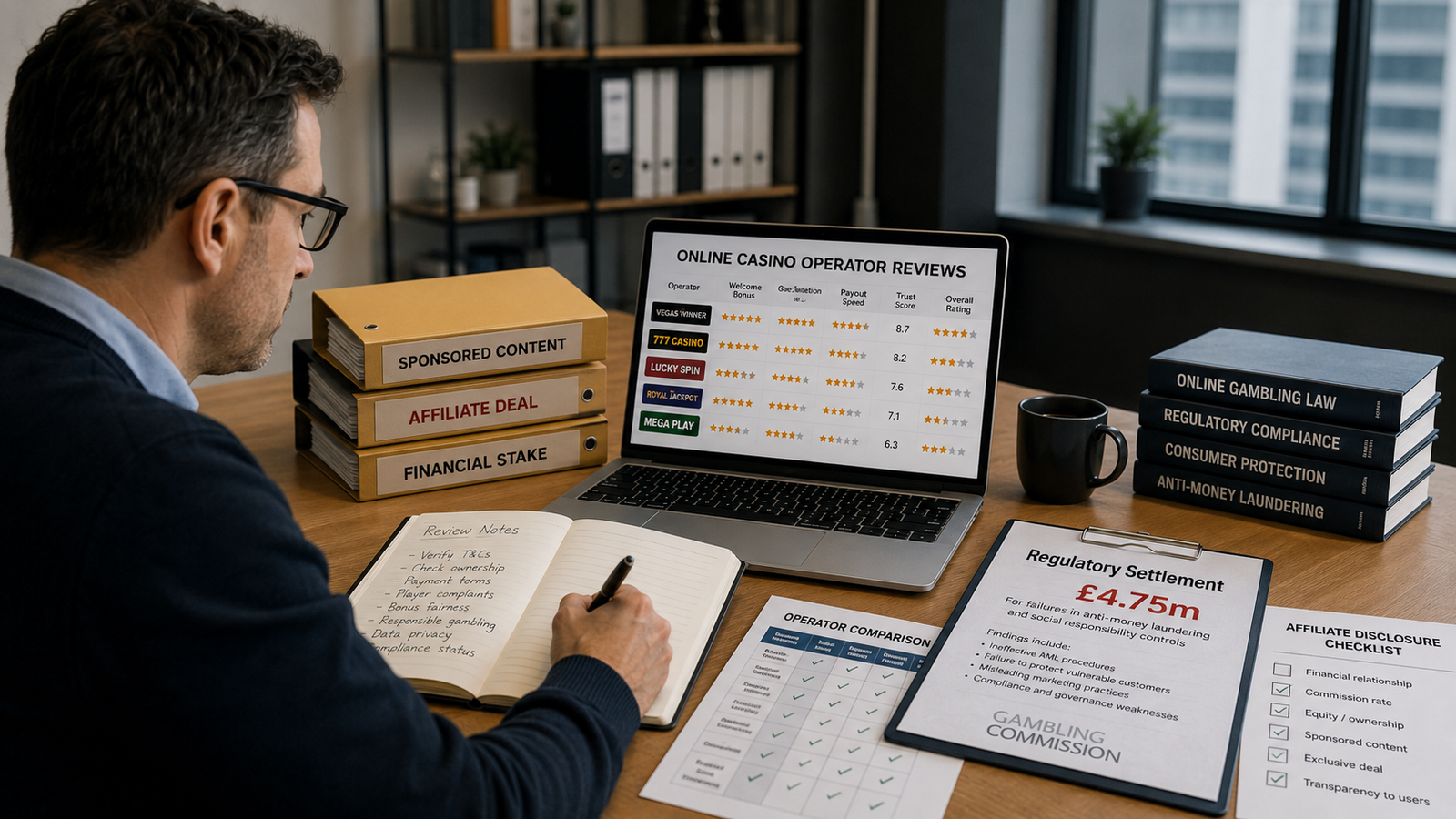
The editorial workflow behind these articles is research-first by design. Licence details, bonus terms and product specifics get checked before writing starts, and a separate quality pass afterwards covers factual accuracy, compliance, tone and readability.
This matters more as articles get longer. A 300-word landing page might contain five factual claims. A 2,000-word operator review can easily contain forty. Each additional claim is another chance for an error to slip through, so long-form publishing actually increases the need for a proper editing stage rather than reducing it.
This is also where public work outside Maurice’s own site becomes useful evidence. Product-level articles covering slot mechanics, paylines, betting limits and bonus features show the same attention to detail applied at the operator level, where it counts even more.
From Single Articles to Topical Content Clusters
Not every article should be a casino review. A publisher building long-term visibility usually needs a wider set of pages working together.
A typical structure might include a pillar page on the best Dutch online casinos, supporting pages on how Dutch licences work, how withdrawal times vary, which iDEAL alternatives exist for deposits, and how casino KYC checks actually proceed, alongside individual operator reviews and product pages for slots and live casino games.
Each page answers one specific question. Together, they build the kind of topical depth that a single long article cannot achieve on its own. The case study on what actually moves visibility in the Dutch market walks through how this structure performed in practice, including realistic timelines rather than inflated promises.
Internal Linking as Part of the Editorial Workflow
Once a site has hundreds of pages, internal linking is easy to overlook. A new casino review might mention iDEAL without linking to the deposit guide that already exists. A bonus article might re-explain wagering requirements from scratch instead of pointing to the evergreen guide already published.
Treating internal linking as part of the writing process, rather than something the technical team fixes afterwards, keeps a growing content library connected. For an established site, that is often more useful than receiving a clean document and leaving the linking work for later.
Where AI Assists, and Where Human Editors Stay in Control
AI-assisted workflows help with the parts of long-form publishing that involve volume and organisation: structuring research, identifying repeated reader questions, comparing article outlines, and speeding up a first draft.
What AI does not do reliably is know whether a specific RTP figure, bonus amount or payment limit is correct for a specific operator today. A confidently written sentence can still be wrong, and readers have little patience for content that gets facts wrong in a regulated space.
That is why AI is used for research and structural support, while manual fact-checking and editing happen before anything is published. The Dutch iGaming AI content strategy approach and the related piece on building editorial trust with AI-assisted workflows both go into how this balance is maintained.
Proof Across Casino, Betting and Payment Topics
Long-form Dutch iGaming content often needs to go beyond standard casino reviews. Payments are one example, since Dutch players increasingly ask how newer payment methods work alongside iDEAL. Sports betting and odds explanation is another area where readers need context, not just translated marketing copy.
Published work covering odds interpretation, market types and settlement rules for Dutch bettors demonstrates this directly. The proof of Dutch betting content expertise page shows concrete examples of how betting concepts get explained clearly for a Dutch audience, rather than assumed to be self-evident.
When an Ongoing Content Partnership Makes More Sense Than One-Off Articles
Commissioning individual articles works fine for a small publishing schedule. It becomes less practical once a business needs weekly content, several content categories, consistent terminology, ongoing updates and internal linking handled as part of the same process.
An ongoing partnership model, built around monthly content batches, fits that situation better than repeated one-off briefs. If you want to see how a project like this typically starts, the Dutch AI article project page explains the editorial approach and how the AI-assisted team supports the process without replacing human review.
Frequently Asked Questions
Does long-form content always perform better than shorter articles?
Not automatically. Length only helps when the topic genuinely requires it. A short, direct answer is often better for simple questions, while operator reviews and comparison content usually need more room to be useful.
How is factual accuracy checked in Dutch iGaming articles?
Licence status, bonus terms and product details get verified before writing, followed by a separate review pass focused on accuracy, compliance, tone and readability.
What role does AI actually play in this workflow?
AI supports research organisation, outline structuring and first-draft speed. Fact-checking and final editorial decisions stay with a human editor, since AI-generated claims about specific figures cannot be assumed to be correct.
Is this service only for casino reviews?
No. The same approach applies to sportsbook content, payment guides, compliance-focused articles and broader Dutch iGaming topics that need accurate, well-structured explanation.
Getting Started
Publishing more articles is not the goal. Publishing the Dutch page that actually answers a reader’s question, correctly and clearly, is what long-form content is supposed to do.
If your team needs Dutch iGaming content that combines editorial quality with compliance awareness, whether that is casino reviews, sportsbook articles, payment guides or an ongoing monthly content plan, take a look at the Dutch iGaming Content Services page or reach out directly to discuss what your publishing schedule actually needs.