Did you know that 68% of the world’s $115 billion iGaming gross gaming revenue now flows through regulated markets rather than gray operators? That single number explains why KSA compliant casino content has stopped being a legal checkbox and become the foundation of every serious Dutch content strategy.
Key Takeaways
- Compliance is a ranking factor, not an afterthought. The KSA does not just police licensing; it shapes what content is even allowed to exist.
- Localization beats translation. Native Dutch phrasing and correct regulatory language build the trust that generic text destroys.
- Human-in-the-loop editing is non-negotiable. Read our breakdown of the three KSA guidelines that determine content visibility to see why.
- Mobile-first architecture is a gatekeeper. Heavy scripts and clumsy pop-ups kill trust before a single word gets read.
- Enforcement is real and public. Operators who ignore KSA rules get named, and content teams need to know why.
- Scalable does not mean sloppy. A fluff-free playbook can still publish at volume, as covered in our Dutch iGaming SEO strategy guide.
- Different audiences need different compliance emphasis. Operators, affiliates, and editorial teams each face distinct risks.
What “KSA Compliant Casino Content” Actually Means
KSA compliant casino content is copy, reviews, and editorial pages that meet the Kansspelautoriteit’s rules on advertising, responsible gambling language, and licensing disclosure, while still reading like something a human wrote for a human.
That is a narrower definition than most agencies use. Plenty of writers produce technically legal text that still fails commercially: stiff, translated, and obviously outsourced.
The regulated Dutch market rewards trust, punishes shortcuts, and demands an architecture built around real search intent clusters. Compliance is now a ranking factor, not an afterthought.

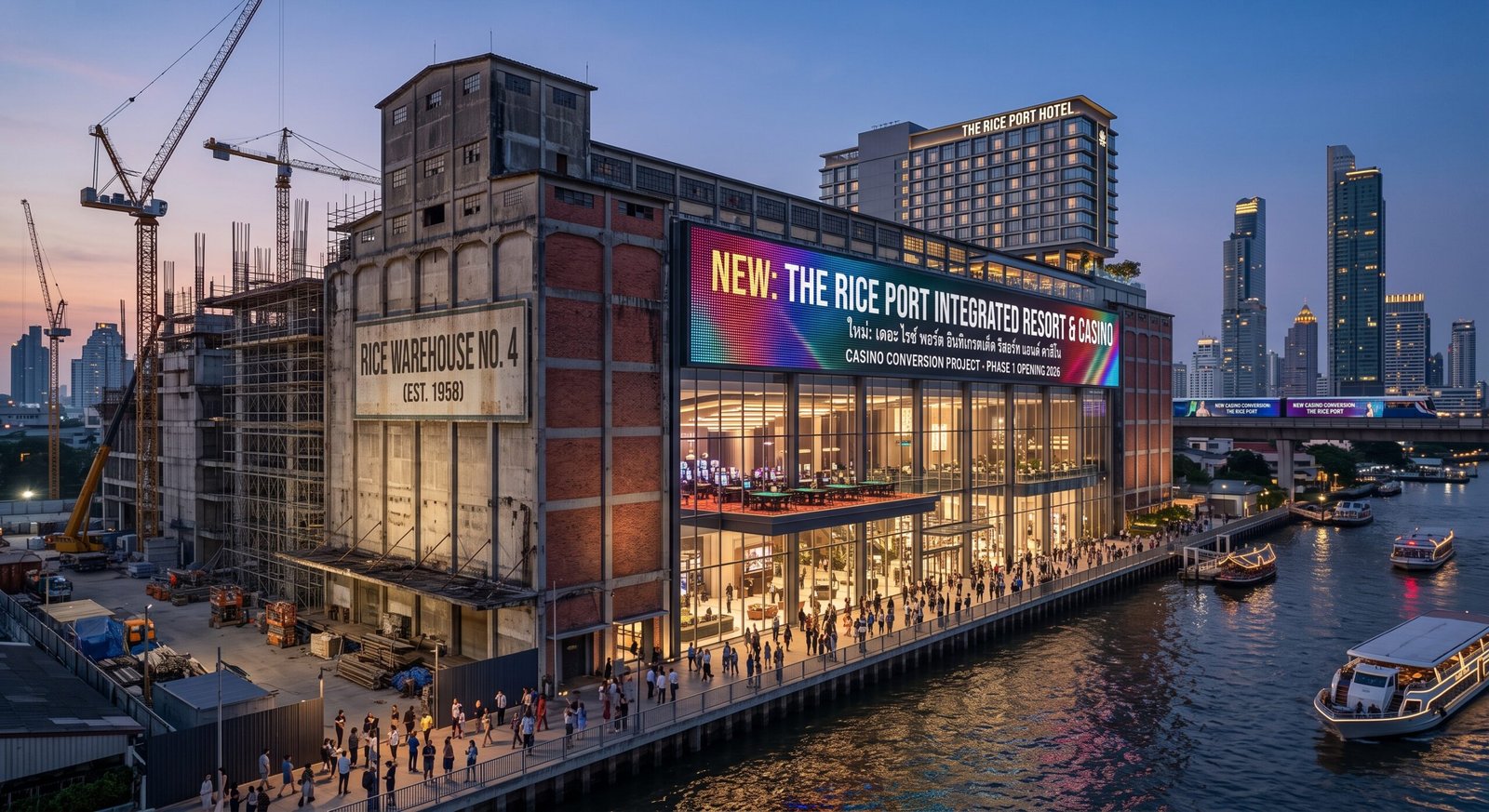
The global online gambling market represents enormous revenue potential for operators who prioritise regulatory adherence.
Enforcement is not theoretical. When VBet offered prohibited World Cup betting markets, the regulator escalated to a formal warning rather than accepting a quiet removal. Our full breakdown of the KSA’s formal warning to VBet shows exactly what triggers that kind of escalation, and what it means for anyone writing about those markets.
Best for Regulated Operators: Building KSA Compliant Casino Content Into Every Page
Operators carry the highest compliance risk because their name sits on the license. For this group, KSA compliant casino content is not a marketing nice-to-have. It is part of the license itself.
What operators actually need from content:
- Responsible gambling messaging integrated into copy, not bolted on as a footer disclaimer.
- Age and eligibility language that matches KSA-approved phrasing exactly.
- Bonus and promotion descriptions that avoid prohibited terms like “risk-free” or unqualified guarantees.
- Sport and market coverage that respects prohibited betting categories, including the ones that got VBet flagged.
Most agencies treat iGaming like any other vertical. It isn’t. A generic content shop optimising for volume will miss the exact phrasing distinctions that separate compliant copy from a warning letter.
Best for Affiliate Businesses: Why KSA Compliant Casino Content Protects Revenue
Affiliates have a different exposure. They do not hold a license, but they can still get flagged, delisted, or blacklisted by operators for non-compliant promotion.
For affiliate businesses, KSA compliant casino content works best when it does three things:
- Anchors claims in licensed operators only. Promoting an unlicensed brand, even accidentally, damages trust with both readers and partners.
- Uses correct disclosure language. Dutch readers expect transparency about affiliate relationships.
- Covers sportsbook and casino content with equal editorial rigor. Our Dutch sportsbook content strategy applies the same compliance-first thinking to betting content that we apply to casino reviews.
The trust math is simple. Readers who feel misled by one affiliate page rarely give the site a second chance, and the KSA rewards operators who partner with disciplined publishers.
Best for Editorial Teams: Human-in-the-Loop Review of KSA Compliant Casino Content
I do not hide the fact that I use AI. I lean into it. The difference between us and the content mills is human-in-the-loop oversight.
My Dutch Assisted Editorial Team is built around named roles, each with a specific job in the compliance pipeline:
- Marieke handles initial drafting and structure, mapping content to real search intent clusters.
- Karol checks regulatory phrasing against current KSA guidance.
- Tom reviews technical accuracy on odds, RTP, and casino mechanics.
- Gloria manages localization and Dutch proofreading.
- Jop audits for gambling UX issues that might trigger a compliance flag.
- Bobby handles final human editorial sign-off before publication.
This is not a gimmick. It is a scalable publication pipeline where AI handles the heavy lifting and a human catches what AI cannot: nuance, regulatory context, and editorial integrity. Our field guide on gambling UX dark patterns came directly out of this review process.
Localization Beats Translation for KSA Compliant Casino Content
Translated content is the fastest way to lose Dutch reader trust. The text reads foreign. The compliance language is wrong. The trust evaporates.
Localization and Dutch proofreading separate compliant operators from the noise. Native betting terminology, correct regional phrasing, and locally accurate examples signal that a brand actually operates in the Netherlands rather than dropping in a translated template.
This matters more for casino content than almost any other vertical, because slot mechanics, bonus terms, and RTP disclosures all have precise Dutch equivalents that a machine translation will miss or mangle.

Where AI Fits Into a Compliant, Scalable Publication Pipeline
AI is part of the architecture here, not a secret shortcut. Used correctly, it speeds up drafting, flags inconsistent phrasing, and helps maintain topical authority across large content clusters.
Used incorrectly, it produces generic gambling advice that reads the same on every affiliate site in the country, which is exactly the kind of content the KSA and readers both distrust.
Our approach to Dutch iGaming AI content strategy treats AI as a drafting assistant inside a human-reviewed workflow, never as a replacement for editorial judgment. That is the only version of AI-assisted publishing that produces reliably KSA compliant casino content at scale.
Common Mistakes That Break KSA Compliant Casino Content
If your technical foundation is wrong, no amount of long-form content will save you. The most common failures I see:
- Bonus language that oversells. Words like “guaranteed win” or unqualified “free money” claims are compliance red flags.
- Missing responsible gambling context. Content that discusses stakes or losses without proper framing invites scrutiny.
- Slow, bloated pages. Heavy scripts, bloated images and clumsy pop-ups kill trust before the content ever gets read.
- Ignoring the financial reality. Readers respond better to honest framing of risk and reward than inflated promises. Our piece on the real financial impact of online gambling in 2026 covers how to write about money honestly without sensationalising it.


Best for Multi-Market Publishers: Sportsbook and Casino Content Under One Standard
Publishers running both casino and sportsbook verticals often apply different compliance standards to each, which creates inconsistency the KSA notices quickly.
A single editorial standard across both verticals is the more defensible approach. The same phrasing rules, the same disclosure language, and the same human review step should apply whether the page covers slots or match odds.


RNG slots alone drive 61% of online casino revenue in regulated markets, which means casino content teams need real technical fluency in slot mechanics, not just compliance phrasing.
Compliance is now a ranking factor, not an afterthought. Publishers who still treat it as a legal formality are the ones losing ground to operators who build it into the content architecture itself.
Our Track Record With KSA Compliant Casino Content
I structure topical hubs that answer the questions players actually ask, built around the same compliance-first standard described above. That approach shows up across the case studies in our portfolio of Dutch iGaming projects, from operator-facing content to affiliate campaigns.
The results are not instant. Foundational growth in a regulated market takes longer than a generic content sprint, but it holds up under scrutiny, which is the entire point.
Conclusion
KSA compliant casino content is not a single template. What works best for an operator differs from what works best for an affiliate, and what works for an editorial team differs from what works for a solo publisher.
The common thread across every audience is the same: compliance-ready language, real localization, and human-in-the-loop review. Get those three right, and the content holds up under regulatory scrutiny and reader scrutiny at the same time.
If you are building or auditing KSA compliant casino content and want a second set of experienced eyes on it, feel free to reach out and compare notes.
Frequently Asked Questions
What does KSA compliant casino content actually mean?
It means casino copy, reviews, and editorial content that follow Kansspelautoriteit rules on advertising, responsible gambling language, and licensing disclosure. KSA compliant casino content still needs to read naturally rather than like a legal disclaimer.
Is KSA compliant casino content worth the extra effort in 2026?
Yes. With regulated markets now accounting for the majority of global iGaming revenue, compliant content protects both reader trust and operator licensing, which makes the extra editorial effort a business necessity rather than an optional extra.
Can AI write KSA compliant casino content on its own?
AI can draft efficiently, but KSA compliant casino content needs human review to catch nuance, regulatory phrasing, and context that automated tools regularly miss. A human-in-the-loop workflow is the only reliable way to publish at scale without compliance risk.
What happens if casino content is not KSA compliant?
Non-compliant content can trigger warnings for operators, similar to the formal warning issued to VBet over prohibited betting markets, and can get affiliate content delisted or blacklisted by partners.
Does localization really matter for KSA compliant casino content?
It matters more than most publishers realise. Translated text often uses the wrong compliance phrasing, while proper Dutch localization builds the reader trust that generic translation destroys.
Who needs KSA compliant casino content the most?
Licensed operators carry the highest direct risk, but affiliates, editorial teams, and multi-market publishers all need the same compliance standard to protect partnerships, reader trust, and long-term visibility.
How is casino content different from sportsbook content under KSA rules?
Both require the same compliance-first standard, but casino content needs deeper technical accuracy around slot mechanics and RTP, while sportsbook content needs to navigate prohibited betting markets and odds-specific disclosure rules.