




Licensed vs. Unlicensed: The 2026 Cost-Risk Analysis for Dutch iGaming Businesses
Licensed vs. Unlicensed: The 2026 Cost-Risk Analysis starts with a number that should stop any operator mid-scroll: the average total cost of a data breach tied to a non-compliance factor now sits at $4.61 million. For Dutch iGaming businesses weighing a KSA license against an unregulated setup, that single figure reframes the entire decision.
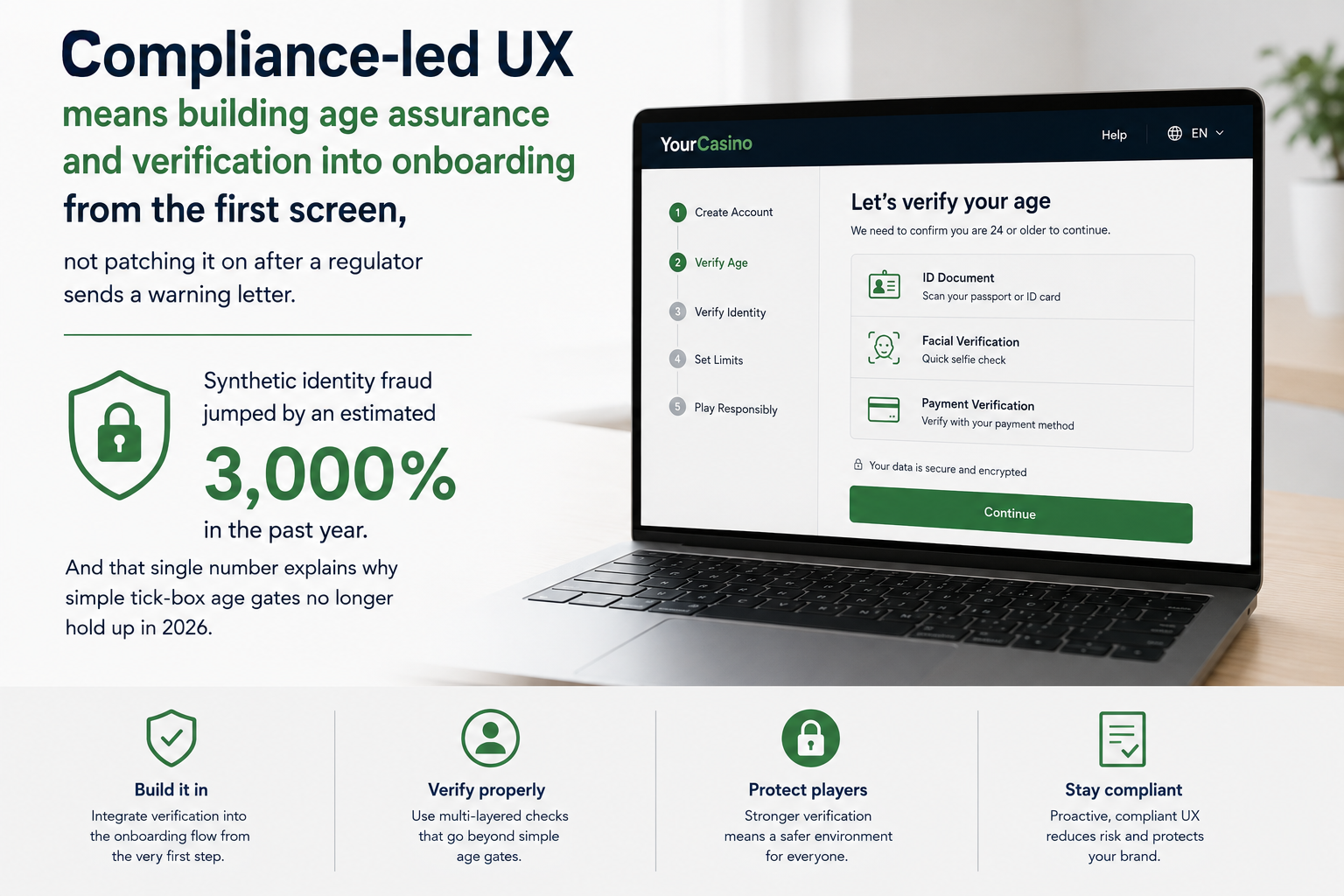
Compliance-Led UX: Designing Age Assurance and Verification as Part of Onboarding (Not a Bolt-On) in 2026
Compliance-led UX means building age assurance and verification into onboarding from the first screen, not patching it on after a regulator sends a warning letter. Synthetic identity fraud jumped by an estimated 3,000% in the past year, and that single number explains why simple tick-box age gates no longer hold up in 2026.

Navigating the 2026 Dutch iGaming Market Landscape: What Publishers and Operators Need to Know
Navigating the 2026 Dutch iGaming Market Landscape starts with one number that stops most people mid-scroll: the Netherlands collected roughly €1 Bn ($1.07 Bn) in gambling taxes in a single year. That figure alone explains why operators, affiliates and publishers can no longer treat the Dutch market as a side project.
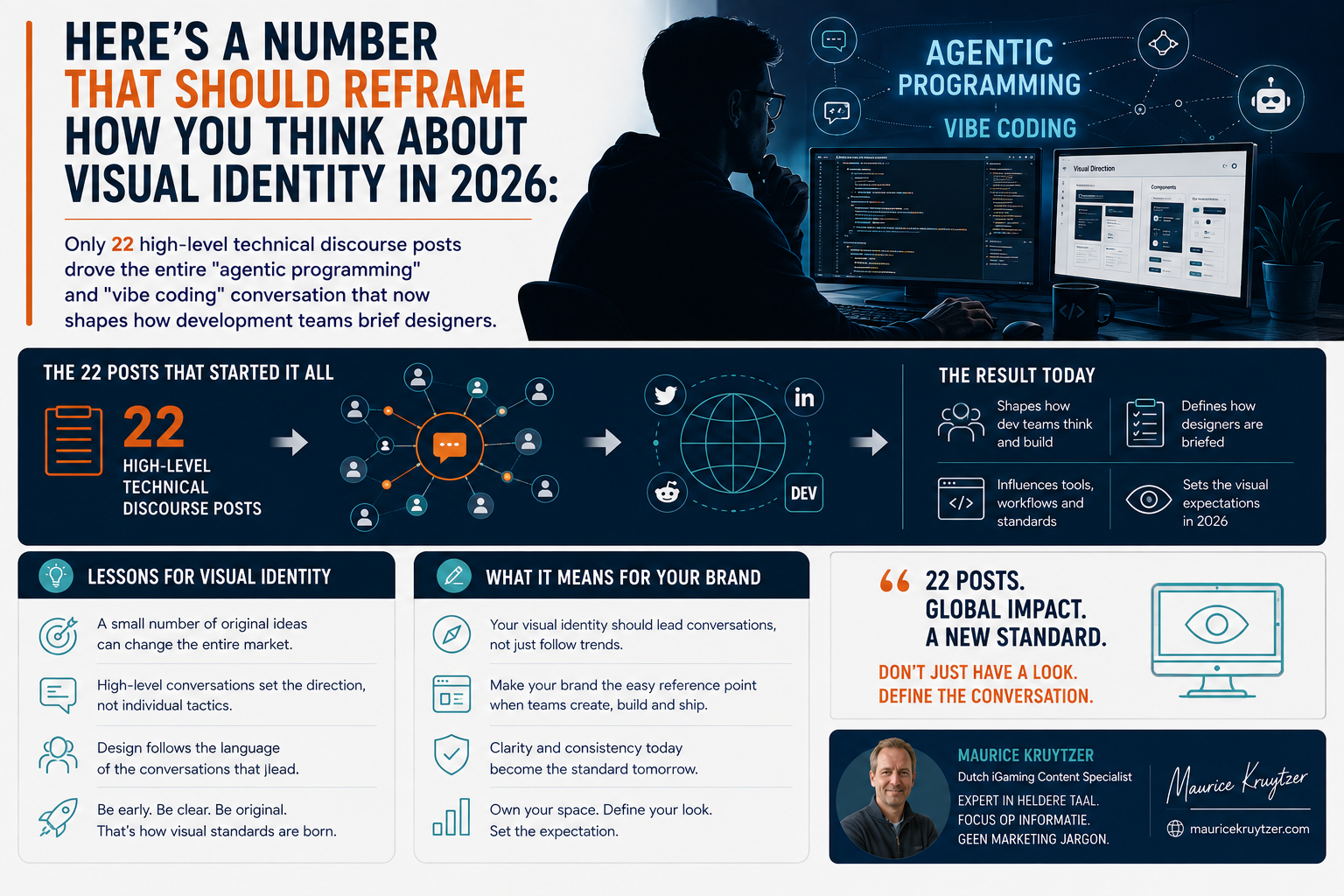
Tech-Native iGaming Brand Identity Systems: Modular, Motion-First, “Coding-Inspired” Visual Languages in 2026
Here’s a number that should reframe how you think about visual identity in 2026: only 22 high-level technical discourse posts drove the entire “agentic programming” and “vibe coding” conversation that now shapes how development teams brief designers. That small signal is exactly why tech-native iGaming brand identity systems built on modular, motion-first, coding-inspired visual languages have stopped being a design trend and started being an operational requirement for operators launching across the Dutch market in 2026.