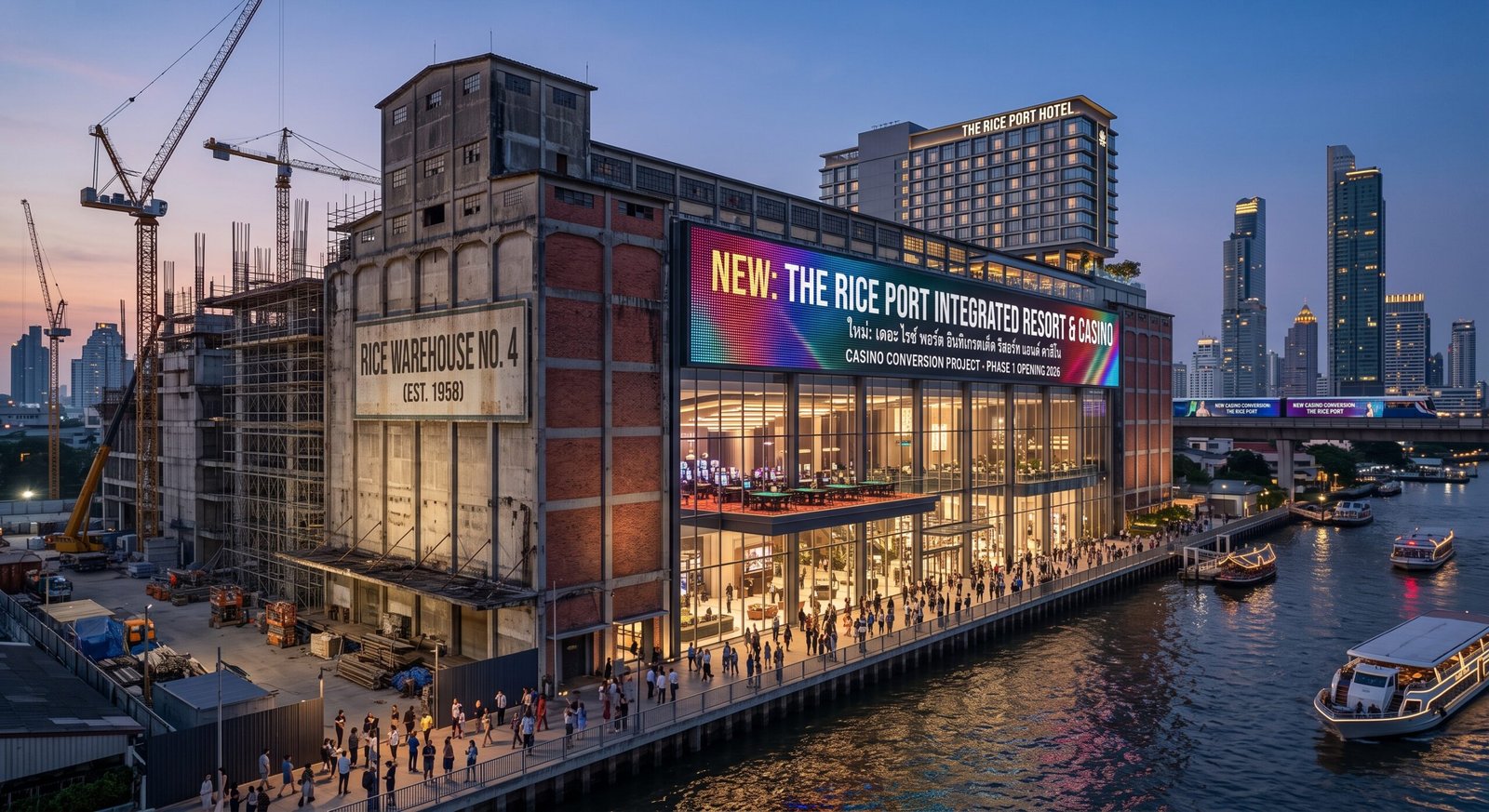

Historical gambling market trends tell a blunt story: the desktop-first era is dead, and mobile devices now drive roughly 80% of all online gambling activity worldwide. I have spent more than eight years writing and editing content for the regulated Dutch gambling market, and I have watched that shift happen in real time, one client brief at a time.
I am a Dutch content specialist and iGaming content writer, and I read market history the way an SEO copywriter reads a keyword report: not for nostalgia, but for future decisions. Understanding historical gambling market trends is not an academic exercise for operators, affiliates or any Dutch SEO writer building content for this space. It is the foundation of every content brief I write in 2026.
Key Takeaways
| Historical Gambling Market Trend | What It Means for 2026 |
|---|---|
| Mobile overtook desktop as the primary channel | Content and site architecture must be built mobile-first, not adapted afterward |
| Retail gambling kept migrating online | Online revenue share keeps climbing, pulling budgets away from print and shop-front marketing |
| The Netherlands moved from grey market to strict licensing | KSA compliance now decides which operators can even compete, as the 2026 fines record shows clearly |
| Advertising rules tightened year over year | Editorial and marketing teams need to track the 2026 advertising bans before publishing a single word |
| A handful of operators captured most of the handle | Affiliate content strategy has to compete for attention, not just traffic |
| Player frequency increased steadily | Content demand is now constant, not seasonal |
| Localization became a trust signal, not a nice-to-have | Native Dutch phrasing separates licensed brands from the noise |
A Short History: From Retail Shops to the Regulated Dutch Online Market
Before October 2021, online gambling in the Netherlands operated in a legal grey zone. Dutch players used foreign-licensed sites, and no domestic regulator controlled advertising, product design or player protection.
The Remote Gambling Act (KOA) changed that overnight. Licensed operators had to apply, prove financial stability, and build compliant platforms from scratch.
That single regulatory event is the clearest inflection point in historical gambling market trends for this country. Every Dutch gambling content expert working in this niche measures “before KOA” and “after KOA” the way other industries measure before and after a recession.
This kind of historical view matters to a wide range of people: a Dutch SEO writer building topical hubs, an affiliate content expert comparing sportsbooks, a Dutch casino copywriter drafting new landing pages, a Dutch crypto writer covering emerging payment methods, and any freelance writer taking on Dutch iGaming briefs without knowing the regulatory backstory first.

The Mobile-First Shift: The Biggest Historical Gambling Market Trend of the Last Decade
Desktop used to dominate. It doesn’t anymore.
Mobile and tablet platforms now capture over half of global gambling revenue, and that number keeps rising every year. If your technical foundation is wrong, no amount of long-form content will save you from that shift.
Heavy scripts, bloated images and clumsy pop-ups kill mobile experiences before the content ever gets read. A mobile-first architecture is no longer a technical detail buried in a developer ticket. It is a direct reflection of historical gambling market trends, and ignoring it means building for a market that stopped existing years ago.
- Loading speed: Slow pages lose Dutch players who expect instant access to odds and casino lobbies.
- Thumb-friendly layout: Menus and CTAs designed for a mouse cursor feel foreign on a phone.
- Payment integration: iDEAL and mobile wallets need frictionless placement, not an afterthought.
Player Behaviour Then and Now: Frequency, Loyalty and Content Demand
Ten years ago, most gambling content answered one-off questions: how to place a bet, how to deposit, how odds work. That content model doesn’t hold anymore.
More than half of online sports bettors now engage at least once or twice a week. That is a fundamentally different reader than the one who visited a site once before a big match.

A returning reader wants tactical, specific content: matchday previews, odds movement, updated bonus terms. This is exactly why a tactical sports writer and a data-literate content manager now sit closer to the editorial process than a generic content mill ever would.
KSA Licensing: The Regulatory Turning Point in Dutch Historical Gambling Market Trends
Around 90% of online gamblers in the Netherlands now play only on licensed platforms. That number alone reframes how seriously operators need to take compliance-ready content.
Compliance is now a ranking factor, not an afterthought. Publishers who treat KSA rules as a legal checkbox instead of an editorial framework consistently lose trust, and trust is what Dutch players actually search for.
I structure topical hubs that answer the questions players actually ask about licensing, responsible gambling limits and payment security, because those questions map directly onto what regulators expect operators to disclose.

Enforcement as Evidence: What the 2026 KSA Fines Reveal About Market Discipline
The Kansspelautoriteit closed out a busy stretch of enforcement in 2026, confirming seven online gambling fines worth a combined €36,087,000.
Four unlicensed operators accounted for €33,951,000 of that total. One illegal operator, Novatech, received a record-breaking €24,846,000 penalty, the largest fine the regulator has ever issued against an unlicensed brand.
Here is a number that should reframe how you think about the market: enforcement of this scale isn’t a side note in historical gambling market trends, it is the trend. The regulated Dutch market rewards trust, punishes shortcuts, and demands editorial content built around real compliance, not marketing copy dressed up as information.
Illegal operators account for most of the fined amount in 2026, which shows exactly where the regulator is spending its enforcement budget.
Market Concentration: Why a Few Operators Shape Historical Gambling Market Trends
FanDuel alone holds 43.6% of the U.S. sports betting handle. That level of concentration isn’t unique to America; regulated markets tend to consolidate around a small group of trusted, well-capitalised brands.
For an affiliate content expert, that consolidation changes the game plan. Comparison content, odds boosts and loyalty program breakdowns matter more than broad “how to bet” guides, because readers already know the big names and want a reason to pick one over another.
Affiliate marketing in this space now competes on depth and accuracy, not volume. A Dutch content operations team that publishes ten thin articles a week will lose to one that publishes three well-researched ones.
Localization and Dutch Proofreading: The New Battleground for Trust
Translation is not localization. A localization specialist adapts tone, terminology and cultural expectations; a translator swaps words from one language to another.
The text reads foreign. The compliance language is wrong. The trust evaporates. That is what happens when operators skip a proper Dutch translator or Dutch editor and rely on machine output alone.
Localization and Dutch proofreading separate compliant operators from the noise, and this has been true throughout every phase of historical gambling market trends in the Netherlands, from the earliest licensed casino sites to today’s sportsbook platforms.


The financial scale of the gambling sector reaches a major benchmark.
Turning Historical Data Into a Scalable Content Strategy for 2026
I do not hide the fact that I use AI. I lean into it, and historical gambling market trends are exactly the kind of data set AI workflows handle well: large, structured and easy to misinterpret without human oversight.
Every Dutch content specialist, AI content strategist, SEO copywriter and localization specialist I work with treats numbers like this as operational inputs, not trivia. The difference between us and the content mills is human-in-the-loop oversight.
My AI Dutch Assisted Editorial Team, from Marieke on localization checks to Bobby on technical QA, treats every historical data point as an input for the next content brief, not a footnote. You can see how that process comes together on the Dutch Assisted Editorial Team page.
If you run content operations for an operator or affiliate, the practical takeaway is simple: build your editorial calendar around where the market has been, not just where it currently sits. Our full framework is laid out in the Dutch iGaming SEO playbook for 2026.
Applying These Trends to Sportsbook, Casino and Crypto Content
Historical gambling market trends don’t apply evenly across verticals. Sportsbook content reacts to fixture calendars and live odds; casino content reacts to bonus cycles and game releases; crypto gambling content reacts to volatility and payment regulation.
A Dutch sportsbook writer needs statistical literacy and regulatory awareness in equal measure, which is exactly what our sports betting analysis content services are built around.
A Dutch crypto writer, meanwhile, tracks a much younger regulatory history, since crypto payments only recently entered mainstream Dutch gambling discussions. Both roles depend on the same historical grounding: knowing how the market got here before writing about where it’s going.
Conclusion
Historical gambling market trends are not background reading. They are the operating manual for anyone publishing in this space in 2026.
Mobile overtook desktop. Retail migrated online. The Netherlands moved from a grey market to one of the strictest licensing regimes in Europe. Every one of those shifts changed what “good content” means for a Dutch SEO writer, an affiliate content expert or a Dutch gambling content expert working inside a compliance framework.
Most agencies treat iGaming like any other vertical. It isn’t. If you want content built on real historical gambling market trends rather than guesswork, get in touch and we’ll talk about what your editorial pipeline actually needs.
Frequently Asked Questions
What are the most important historical gambling market trends operators should know in 2026?
The three biggest historical gambling market trends are the shift to mobile-first play, the migration of retail gambling to regulated online platforms, and stricter licensing under frameworks like the Dutch KOA Act. Together, these trends dictate technical architecture, content tone and compliance requirements.
How has the Dutch gambling market changed since regulation began?
Since the Remote Gambling Act took effect in October 2021, the Dutch market moved from a grey, foreign-licensed environment to a strictly regulated one overseen by the KSA. Historical gambling market trends since then show rising enforcement, tighter advertising rules and growing demand for compliant, localized content.
Why does mobile usage matter so much for gambling content strategy?
Mobile and tablet devices now account for the majority of global gambling revenue, which means content and site design built for desktop first will underperform. Any current review of historical gambling market trends confirms that mobile-first architecture is now a baseline requirement, not an optional upgrade.
Is localization really necessary, or is translation enough for Dutch gambling content?
Translation alone is not enough for the Dutch market. Localization and Dutch proofreading address tone, regulatory terminology and player expectations, all of which have become more important as historical gambling market trends show increasing scrutiny on operator trust.
How do KSA enforcement actions reflect broader historical gambling market trends?
The 2026 KSA enforcement record, including a €24,846,000 fine against an unlicensed operator, shows regulators focusing heavily on illegal operators while holding licensed brands to strict content and advertising standards. This pattern fits a longer historical trend of regulators tightening oversight as online gambling markets mature.
Are AI-assisted workflows reliable for tracking historical gambling market trends?
AI workflows can process large volumes of market data quickly, but human-in-the-loop oversight remains essential for accuracy and compliance. A Dutch content specialist or AI content strategist should always validate AI-drafted analysis against official sources before publishing.
What should affiliates focus on given current historical gambling market trends?
Affiliates should prioritize depth over volume, since market concentration means a small number of licensed operators capture most player attention. Comparison content, loyalty program breakdowns and compliance-aware reviews perform better than generic guides in a market shaped by these historical gambling market trends.
Looking for a Dutch iGaming Content Partner?
Whether you need three articles a month or a dedicated content partner,
I help operators, affiliates and agencies create high-quality Dutch iGaming content that is
researched, human-edited and ready to publish.